 Skip to content
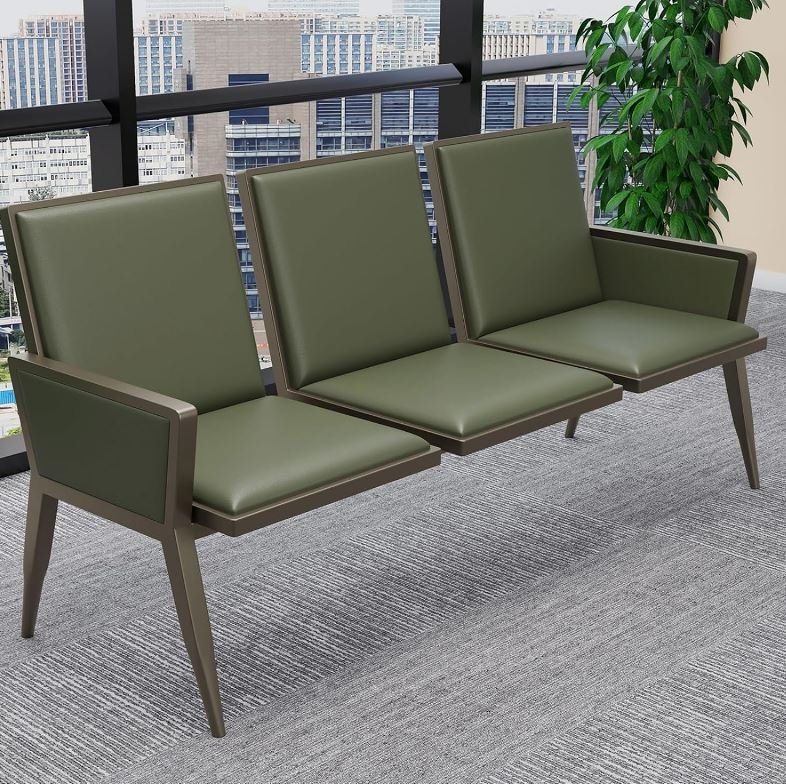
A comfortable reception area can shape how visitors perceive a business before they ever meet an employee. Choosing the right Waiting Chair Philippines option involves more than selecting an attractive design. Businesses need to consider comfort, durability, available space, maintenance, visitor flow, and the overall style of the workplace. From corporate reception areas in Manila to clinics, schools, government offices, and professional firms in Quezon City, the right waiting chairs can create a more organized and welcoming environment.
Why Waiting Chairs Matter in Philippine Workplaces
Waiting areas are often the first physical point of contact between visitors and an organization. A poorly planned reception space can feel crowded, uncomfortable, or unprofessional, while thoughtfully selected seating can make visitors feel more relaxed and valued.
Waiting chairs are commonly used in reception areas, corporate offices, medical clinics, dental practices, schools, banks, government facilities, salons, and service centers. Each environment has different requirements. A busy clinic may need easy-to-clean seating, while an executive office may prioritize premium materials and a sophisticated appearance.
For businesses in Manila and Quezon City, furniture should also work well with the available floor space. Compact reception areas may benefit from streamlined chairs, while larger corporate offices can accommodate multi-seat configurations or coordinated lounge seating.
How to Choose Waiting Chair Philippines Options
The best waiting chair depends on how the space will be used. Before purchasing, consider the number of visitors, average waiting time, available floor area, cleaning requirements, and desired appearance.
A useful selection process includes:
- Measure the available reception space.
- Estimate the number of visitors at busy times.
- Consider how long visitors usually wait.
- Choose materials appropriate for the environment.
- Check seat height, width, and back support.
- Consider cleaning and maintenance requirements.
- Match the design with existing office furniture.
- Leave sufficient space between seating and walkways.
- Select durable construction for high-traffic areas.
This approach helps businesses avoid buying chairs based only on appearance.
Comfortable Seating for Reception Areas
Comfort becomes particularly important when visitors may wait for an appointment, consultation, interview, or meeting. Chairs with supportive backrests and suitable seat dimensions can make waiting more pleasant.
For reception areas where visitors spend only a few minutes, simple guest chairs may be sufficient. Longer waiting periods may call for chairs with better cushioning and ergonomic support.
Armrests can also influence comfort, but they require additional space. If the reception area is small, armless designs may provide greater flexibility and allow chairs to be positioned more efficiently.
Waiting Chairs for Small Offices
Not every business has a large reception area. Startups, small professional offices, clinics, and service businesses often need to maximize limited floor space.
Slim-profile waiting chairs can help maintain an open appearance without sacrificing basic visitor comfort. Chairs that can be moved or rearranged easily are also useful when the reception area serves multiple purposes.
For compact offices in Manila and Quezon City, consider the complete circulation path rather than measuring only the seating footprint. Visitors should be able to enter, sit, stand, and move toward the reception desk without creating congestion.
Materials to Consider for Waiting Chairs
The material of a Waiting Chair Philippines affects appearance, comfort, durability, and maintenance.
Fabric upholstery can create a warm and comfortable atmosphere and works well in many professional environments. However, businesses should consider cleaning requirements, especially when the chairs are used frequently.
Leather and leather-like upholstery can provide a more polished appearance and may be easier to wipe clean. These materials can work particularly well in executive offices and reception areas where appearance is important.
Plastic and molded seating can be practical for environments that require easy cleaning and frequent movement. Metal frames are also commonly used because they can provide a sturdy foundation for visitor seating.
The right material depends on the environment rather than a single universal preference.
Waiting Chairs for Clinics and Healthcare Facilities
Medical and dental facilities often have different furniture requirements from corporate offices. Reception seating may experience continuous use throughout the day, so durability and ease of cleaning become important considerations.
Businesses should look for surfaces that can be maintained according to the facility’s cleaning procedures. Smooth, accessible surfaces can make routine cleaning easier.
The design should also support safe movement. Avoid placing excessive furniture in narrow reception areas, particularly where patients, caregivers, or visitors need clear access.
Waiting Chairs for Corporate Offices
Corporate reception areas often need to communicate professionalism while remaining comfortable for visitors. The waiting chairs should complement the reception desk, flooring, lighting, wall finishes, and other office furniture.
For executive environments, premium-looking upholstery and refined frame designs can create a coordinated appearance. For busy corporate offices, durability and ease of maintenance may be equally important.
A consistent furniture style can also strengthen workplace branding without requiring excessive decoration.
Waiting Chairs for Schools and Government Offices
Schools and government facilities may receive a wide range of visitors throughout the day. Waiting furniture in these environments needs to balance durability, comfort, safety, and practical maintenance.
Modular seating can be useful where visitor numbers vary. Individual chairs may offer greater flexibility, while connected seating can help keep a waiting area organized.
When selecting furniture for institutional environments, procurement teams should also consider specifications, warranty information, expected usage, and supplier support.
Single Waiting Chairs vs Connected Seating
Individual waiting chairs offer flexibility because they can be rearranged as needs change. They are suitable for offices where the reception layout may change or where different visitors require different seating arrangements.
Connected seating, such as multi-seat reception configurations, can create a more organized appearance and help manage available floor space. They can be particularly useful in busy waiting rooms.
The choice should be based on visitor volume, room dimensions, cleaning requirements, and the desired layout.
How Many Waiting Chairs Does an Office Need?
There is no universal number because visitor traffic differs between businesses.
Start by considering the maximum number of visitors who may arrive during a busy period. Then evaluate whether appointments are staggered or whether multiple visitors commonly arrive at the same time.
A reception area should not be filled with chairs simply because space is available. Maintaining adequate circulation is essential for an accessible and comfortable environment.
Businesses can also consider flexible seating arrangements if visitor demand changes throughout the day.
Matching Waiting Chairs With Office Furniture
Waiting chairs should look like part of the overall office rather than an unrelated addition. Consider the reception desk, office tables, executive furniture, flooring, lighting, and wall colors when selecting a design.
For a modern workplace, clean lines and simple forms may work well. Traditional offices may benefit from more classic upholstery and frame designs.
The objective is to create visual consistency while keeping visitor comfort and practical requirements at the center of the decision.
Common Mistakes When Buying Waiting Chairs
One common mistake is choosing chairs based solely on appearance. A stylish chair may not be appropriate for continuous daily use.
Another mistake is ignoring measurements. Oversized chairs can quickly make a small reception area feel crowded.
Businesses should also avoid overlooking maintenance. A reception chair that is difficult to clean may create unnecessary work in a busy environment.
Other mistakes include:
- Buying too many chairs for the available space.
- Ignoring visitor comfort.
- Choosing unsuitable upholstery.
- Forgetting warranty and supplier support.
- Failing to coordinate furniture styles.
- Neglecting accessibility and circulation.
- Selecting furniture without considering daily usage.
Buying Waiting Chairs in Manila and Quezon City
Businesses searching for office furniture in Metro Manila should consider both product quality and supplier service. A local supplier can make it easier to discuss furniture requirements, compare available configurations, request quotations, and plan larger office projects.
For procurement teams, architects, and interior designers, it can also be useful to provide room measurements, preferred materials, approximate quantities, and project requirements before requesting a quotation.
This gives the supplier enough information to recommend suitable options rather than simply providing a generic product list.
What Should Businesses Ask a Furniture Supplier?
Before placing an order, ask about the chair’s construction, materials, dimensions, warranty, maintenance requirements, availability, and expected lead time.
For larger projects, also ask whether the supplier can provide coordinated furniture for reception areas, workstations, conference rooms, executive offices, and other workplace zones.
A supplier that understands commercial office requirements can help businesses make a more informed purchasing decision.
Create a More Welcoming Reception Area
A waiting area should provide a comfortable transition between entering a workplace and meeting the person or team they came to see. Good seating contributes to that experience, but the complete environment matters too.
Combine appropriate waiting chairs with a functional reception desk, clear signage, suitable lighting, sufficient ventilation, and an uncluttered layout. Together, these elements can create a reception area that feels professional without becoming overly formal.
Businesses looking for coordinated workplace furniture can also consult Cebu Office Furniture Den when planning seating and other office furniture requirements.
FAQs About Waiting Chair Philippines
What is the best material for a waiting chair?
The best material depends on usage. Fabric can offer comfort, while leather or leather-like surfaces may provide a polished appearance and easier routine cleaning.
How do I choose waiting chairs for a small reception area?
Measure the room first and prioritize compact designs that provide comfortable seating without blocking entrances, reception counters, or walkways.
Are waiting chairs suitable for clinics?
Yes. Clinics commonly use waiting chairs, but the selected materials should suit the facility’s cleaning and maintenance requirements.
How many waiting chairs should a reception area have?
The number depends on visitor volume, waiting times, available space, and appointment patterns. Plan for realistic peak demand while preserving comfortable circulation.
Should waiting chairs match the reception desk?
Matching is not mandatory, but coordinated colors, materials, and design elements can create a more professional and cohesive reception environment.
What should I check before buying office waiting chairs?
Check dimensions, construction, materials, comfort, maintenance requirements, warranty, availability, and whether the design suits your reception space.

