 Skip to content
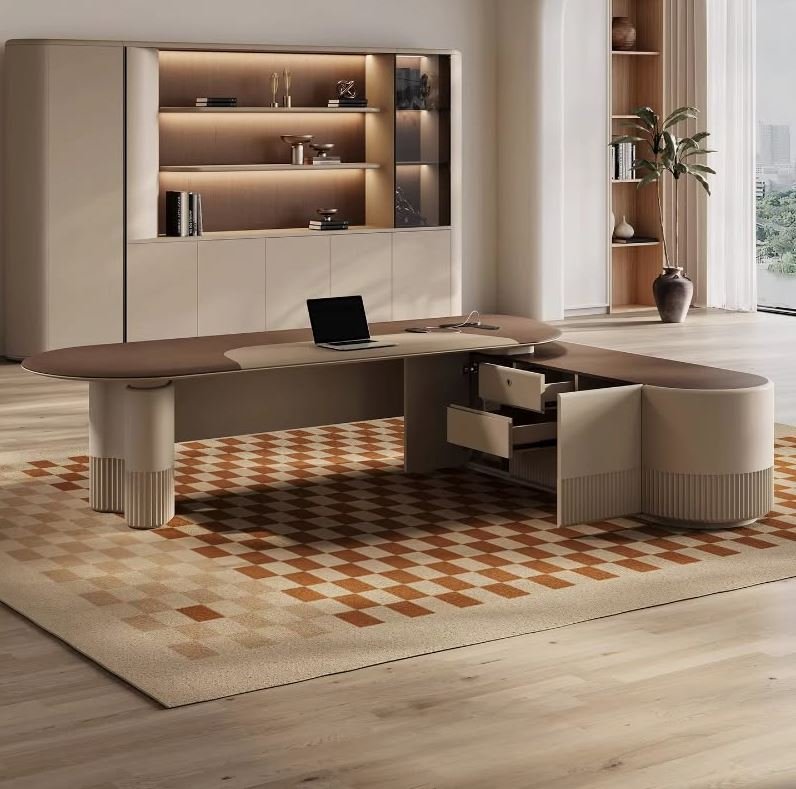
Choosing Professional Office Furniture is an important decision for businesses that want their workplace to look organized, comfortable, and ready for productive work. The right furniture does more than fill an office. It influences how employees work, how clients perceive the company, and how efficiently available space is used. From executive offices and meeting rooms to open-plan work areas and reception spaces, every furniture choice should support the purpose of the room while maintaining a consistent professional appearance.
For businesses in the Philippines, office furniture selection also needs to consider local workplace requirements, available floor space, climate, budget, and the type of work employees perform. Companies in Manila and Quezon City may have very different office layouts, from compact commercial units to large corporate workplaces. A thoughtful furniture plan helps businesses create functional spaces without making them feel crowded.
What Is Professional Office Furniture?
Professional office furniture refers to workplace furnishings designed to support business activities while providing a polished and functional environment. Common examples include office desks, ergonomic chairs, workstations, conference tables, reception desks, filing cabinets, storage units, executive tables, and collaborative seating.
The best choices combine function, comfort, durability, appearance, and efficient space utilization. Instead of selecting individual pieces simply because they look attractive, businesses should consider how each item will work within the overall office environment.
For example, employees who spend most of their day working at computers may need adjustable office chairs and desks with practical cable management. Meeting rooms may require conference tables that accommodate the expected number of participants. Reception areas need furniture that creates a welcoming first impression while giving staff enough room to perform their duties.
Why Does Professional Office Furniture Matter?
A workplace has a direct relationship with the daily experience of employees and visitors. Poorly selected furniture can create clutter, restrict movement, and make a space uncomfortable. Well-planned furniture can make the same office feel more organized and easier to use.
Ergonomic considerations are particularly important for computer-based work. A suitable chair should provide appropriate support, while the desk should allow employees to maintain a comfortable working position. Furniture should also provide sufficient workspace for monitors, documents, accessories, and other essential equipment.
Professional furniture can also contribute to a company’s visual identity. A coordinated reception desk, executive table, workstation system, and meeting room can create a consistent appearance that communicates attention to detail.
How To Choose The Right Office Furniture
Start by understanding the actual requirements of the workplace. Consider the number of employees, available floor area, work patterns, storage requirements, visitor traffic, and future expansion plans.
The next step is to measure the office carefully. Furniture that looks appropriate in a showroom may occupy too much space in a smaller office. Leave enough room for employees to move comfortably between workstations, storage areas, meeting rooms, and entrances.
The type of work should also influence furniture selection. A creative team may benefit from collaborative tables and flexible workstations, while an accounting department may require substantial desk space and organized storage. Executives may need larger desks and private meeting areas, while reception staff often need a workstation that accommodates computers, documents, and visitor interaction.
Finally, consider the materials and construction quality. Office furniture receives regular daily use, so durability should be considered alongside price.
Office Desks For Productive Work Areas
Office desks are among the most important pieces of workplace furniture. The right desk should provide enough surface area without consuming unnecessary floor space.
Modern businesses can choose from individual desks, L-shaped desks, executive desks, shared workstations, benching systems, and modular configurations. L-shaped desks can be useful when employees need separate areas for computers and paperwork. Modular workstations can provide greater flexibility when teams or departments change.
Cable management is another useful consideration. Built-in cable ports, concealed wiring channels, and suitable storage can help maintain a cleaner workspace.
Ergonomic Office Chairs For Everyday Comfort
Employees may spend many hours seated during the workday, making office chairs an important investment. A professional workspace should consider adjustability, lumbar support, seat height, back support, armrests, and appropriate cushioning.
An ergonomic office chair should allow users to adjust the chair according to their individual needs. Different employees may require different settings, so adjustable furniture can be more practical than a one-size-fits-all approach.
Businesses should also consider the relationship between chairs and desks. Even a good chair may not provide a comfortable workstation if the desk height or monitor position is unsuitable.
Office Workstations For Manila And Quezon City Businesses
Workstations are useful for businesses that need to accommodate several employees efficiently. They can create defined working areas while maintaining an open office environment.
For offices in Manila and Quezon City, space efficiency can be especially valuable when businesses operate in commercial buildings where floor area comes at a premium. Modular workstation systems allow companies to plan departments according to available space and potentially reconfigure them as staffing requirements change.
Partitions can also provide a degree of privacy without completely separating employees from their teams. The appropriate configuration depends on communication requirements, job responsibilities, and the desired workplace atmosphere.
Conference And Meeting Room Furniture
Meeting rooms serve several purposes, including client presentations, internal discussions, interviews, training sessions, and management meetings. The furniture should therefore support both formal and collaborative activities.
A conference table should provide enough room for the expected number of participants without making the room difficult to navigate. Comfortable conference chairs are equally important, especially when meetings can last for extended periods.
Businesses should also think about technology. Meeting tables may need power access, cable management, and sufficient space for laptops or presentation equipment.
Reception Furniture And First Impressions
The reception area is often the first physical part of a company that clients experience. A professional reception desk can establish the visual tone of the workplace.
The design should match the company’s overall image while providing practical functionality for reception staff. Storage, computer equipment, visitor documentation, and communication devices should be considered during planning.
Comfortable visitor seating can also improve the waiting experience. The reception area should feel organized rather than overcrowded, with clear pathways and appropriate spacing.
Storage Solutions For Organized Offices
Storage is often overlooked when businesses plan their furniture, but inadequate storage can quickly create workplace clutter. Filing cabinets, mobile pedestals, cupboards, shelving units, and storage walls can help employees organize documents and supplies.
The right storage solution depends on what the business needs to keep. Offices handling physical records may require more filing capacity, while modern digital businesses may need storage primarily for stationery, equipment, and shared supplies.
Mobile pedestals can be particularly useful because they provide accessible storage while allowing greater flexibility around workstations.
Professional Furniture For Different Business Environments
Every workplace has different requirements. Corporate offices may prioritize a consistent brand image and structured departments. Startups often need flexible furniture that can adapt as teams grow. Schools and training centers may need durable desks and chairs that accommodate frequent use.
Government offices may require organized storage and formal meeting spaces, while hospitals and healthcare-related administrative areas may need furniture that supports efficient staff workflows and easy cleaning.
Architects and interior designers should consider furniture during the early planning stages rather than treating it as a final addition. Furniture dimensions, circulation paths, electrical access, lighting, and room functions should work together.
How Much Should You Invest In Office Furniture?
There is no single correct office furniture budget because requirements vary significantly between businesses. A small office with a limited number of employees will have different needs from a large corporate workplace.
Instead of choosing furniture based only on the lowest initial price, consider total value. Durability, warranty coverage, ergonomics, maintenance requirements, adaptability, and replacement costs can all influence long-term value.
A cheaper chair that needs frequent replacement may ultimately cost more than a durable chair designed for regular workplace use. Similarly, modular furniture may provide better long-term flexibility than fixed configurations when a company expects to expand or reorganize.
Common Office Furniture Buying Mistakes
One common mistake is purchasing furniture before measuring the space. This can result in blocked pathways or uncomfortable layouts.
Another mistake is focusing entirely on appearance. A stylish desk or chair still needs to meet the practical requirements of employees.
Businesses may also underestimate storage requirements or fail to plan for future growth. Buying furniture only for today’s headcount can create problems when new employees join.
Ignoring ergonomics is another avoidable issue. Furniture should support comfortable working positions and accommodate the way employees actually use their workstations.
How Professional Office Furniture Supports Business Growth
A well-designed workplace can make it easier to organize teams, accommodate employees, welcome visitors, and adapt to changing business needs. Furniture should therefore be considered part of workplace planning rather than simply an office expense.
Modular desks, flexible workstations, mobile storage, and adaptable meeting spaces can make future changes easier. Companies can also maintain a consistent professional appearance by selecting furniture that works together across different departments.
For growing businesses in Manila and Quezon City, planning for flexibility can be particularly useful. A furniture system that can be rearranged or expanded may reduce the need for a complete replacement when the organization changes.
Professional Office Furniture In The Philippines
Businesses looking for office furniture in the Philippines should evaluate suppliers based on product quality, available designs, customization options, service, delivery capabilities, and after-sales support.
It is also useful to view furniture in person whenever possible. Checking dimensions, materials, chair adjustments, finishes, and construction quality can make purchasing decisions more reliable.
Companies can also prepare a basic furniture plan before requesting quotations. Providing the supplier with office dimensions, employee numbers, preferred furniture types, and functional requirements can make the quotation process more accurate.
For businesses researching suppliers and workplace solutions, Cebu Office Furniture Den can be considered when comparing professional office furniture options and planning a functional business environment.
Questions To Ask Before Buying Office Furniture
What furniture does a professional office need?
Most offices need suitable desks, ergonomic chairs, storage, workstations, meeting furniture, and reception furniture. The exact selection depends on the business and available space.
How do I choose office furniture for a small office?
Measure the available space first and prioritize furniture that provides essential functionality without restricting movement. Modular and compact designs can be useful.
Is ergonomic furniture worth the investment?
Yes. Adjustable furniture can provide greater comfort and allow workstations to be configured for different employees and working requirements.
Should office furniture match the company brand?
A consistent furniture style can strengthen the professional appearance of a workplace, although functionality and comfort should remain priorities.
How can I make an office look more professional?
Use coordinated furniture, organized storage, appropriate lighting, clear circulation paths, and a consistent design approach throughout the workplace.
Building A Better Workplace With The Right Furniture
Professional office furniture should be selected around people, workflow, space, and long-term business requirements. The goal is not simply to create an attractive office but to build an environment where employees can work comfortably and efficiently while clients and visitors experience a well-organized business.
For companies in Manila, Quezon City, and other parts of the Philippines, a thoughtful furniture strategy can help make better use of available space and support changing workplace needs. Start by identifying the purpose of each area, measuring the space, establishing priorities, and comparing furniture based on quality, ergonomics, functionality, and long-term value.
If you are planning a new office, renovating an existing workplace, or expanding your team, requesting a furniture consultation or quotation can help you compare suitable solutions before making a major investment.

