 Skip to content

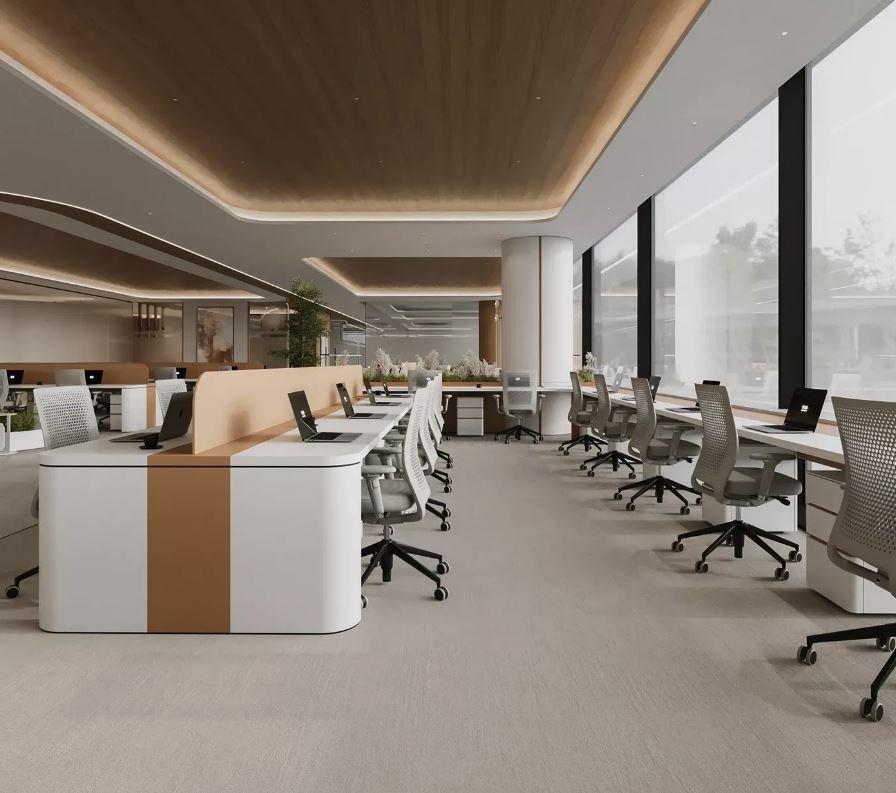
The technology industry depends on innovation, teamwork, concentration, and efficiency. IT companies need workspaces that support employees throughout long working hours while providing enough flexibility for changing business requirements. From software development offices and IT startups to established technology firms, the right furniture plays an important role in creating a professional and productive environment. Choosing suitable Office furniture for IT companies helps businesses improve workplace comfort, organize equipment, maximize available space, and create an office that supports modern working practices.
Technology professionals often spend several hours working at computers, attending virtual meetings, developing software, managing projects, and collaborating with colleagues. Their workspace should provide the right balance of comfort, functionality, and organization. Carefully selected desks, ergonomic chairs, storage cabinets, meeting tables, and collaborative furniture can make everyday tasks easier while supporting employee satisfaction.
Why IT Companies Need Specialized Office Furniture
IT offices have different requirements compared with many traditional workplaces. Employees regularly use multiple monitors, desktop computers, laptops, networking equipment, and other technology accessories. A standard office setup may not provide enough workspace or suitable cable management for these requirements.
Well-planned furniture helps create an organized environment where employees can focus on their responsibilities without unnecessary distractions. Proper desk dimensions provide sufficient room for computer equipment, while comfortable seating supports employees during extended working hours. Storage solutions also help keep documents, office supplies, and technical accessories organized.
For growing technology businesses, flexible furniture is equally important. An office may initially accommodate a small development team but later require additional workstations, meeting areas, and collaborative spaces. Choosing adaptable furniture makes it easier to expand the workplace without completely redesigning the office.
Ergonomic Office Chairs for IT Professionals
Office chairs are among the most important furniture investments for technology companies. Developers, programmers, designers, customer support representatives, and IT administrators frequently spend long periods sitting at their desks. An uncomfortable chair can contribute to poor sitting habits and workplace discomfort.
Ergonomic office chairs are designed to support a more comfortable working position. When selecting chairs for an IT office, businesses should consider adjustable seat height, lumbar support, backrest design, armrests, and seat cushioning.
Adjustable chairs allow employees to position themselves according to their desk height and personal comfort requirements. Lumbar support helps maintain the natural curve of the lower back, while adjustable armrests can support better arm positioning during computer work.
Companies should also consider breathable materials and durable construction. These features are useful in busy workplaces where chairs are used throughout the day. Investing in suitable seating creates a more comfortable environment and demonstrates that the business values employee well-being.
Computer Desks Designed for Technology Workstations
Computer desks are essential for creating functional IT workstations. Unlike basic office tables, technology workstations often need to accommodate multiple monitors, keyboards, desktop computers, documents, and other accessories.
A suitable computer desk should provide enough surface area for employees to arrange their equipment without making the workspace feel crowded. Desks with cable management features can also help control wires and maintain a clean appearance.
L-shaped desks are useful for employees who need additional working space. They can accommodate multiple monitors and provide separate areas for computer work and documentation. Straight desks are suitable for standard workstations, particularly when businesses need to arrange several employees in an organized layout.
Height-adjustable desks are another option for modern technology workplaces. They allow employees to alternate between sitting and standing positions, depending on their preferences and workplace requirements.
Office Cubicles for Software Development Teams
Software development often requires concentration, problem-solving, and extended periods of individual work. Open office layouts encourage communication, but constant conversations and surrounding activity may sometimes interrupt focused tasks.
Office cubicles provide individual work areas while maintaining an organized office layout. They can help establish boundaries between workstations and provide employees with dedicated spaces for their daily responsibilities.
IT companies can choose different cubicle configurations depending on their available floor space and team structure. Low-partition cubicles maintain visibility and encourage communication, while higher partitions offer additional separation.
Modular office cubicles are particularly useful for businesses expecting future growth. Their configurations can be adjusted when teams expand or departments change. Companies can also combine individual workstations with shared collaboration areas to create a balanced working environment.
Meeting Tables for IT Project Discussions
Communication is essential in technology businesses. Software development teams, project managers, designers, and clients regularly participate in discussions, planning sessions, presentations, and project reviews.
A suitable meeting table creates a dedicated space for these activities. The table should provide enough room for participants, laptops, documents, and presentation equipment.
Small IT companies may prefer compact meeting tables for internal discussions. Larger organizations may require conference tables that accommodate multiple departments or external clients.
The shape and size of the table should match the meeting room dimensions. Rectangular tables are suitable for traditional conference rooms, while round tables can support more balanced participation during smaller discussions.
Businesses should also consider convenient access to electrical outlets and cable management solutions. These features make it easier for employees to connect laptops and other devices during meetings.
Smart Storage Solutions for IT Offices
An organized workplace makes everyday operations more efficient. IT companies often manage office documents, technical accessories, stationery, employee records, and equipment that require appropriate storage.
Office furniture for IT companies provide a practical solution for organizing important paperwork. Mobile pedestals can be placed beneath desks to keep frequently used items within reach. Storage cabinets are useful for shared office supplies, documents, and equipment.
Lockable cabinets are particularly important when storing confidential business records or valuable accessories. Companies should consider storage capacity, durability, security, and accessibility before selecting suitable units.
Well-designed storage also helps reduce clutter around workstations. Keeping unnecessary items away from desks creates a cleaner environment and allows employees to use their available workspace more effectively.
Collaborative Furniture for Modern IT Workplaces
Technology companies frequently depend on teamwork to complete projects, solve technical problems, and develop new products. Employees need spaces where they can exchange ideas, review progress, and work together.
Collaborative furniture helps create these shared environments. Comfortable lounge seating, modular tables, visitor chairs, and small discussion tables can support informal meetings and brainstorming sessions.
A dedicated collaboration area can also provide an alternative to traditional conference rooms. Employees can use these spaces for quick discussions without disturbing colleagues who need a quiet working environment.
Modular furniture offers additional flexibility because businesses can rearrange seating and tables according to different activities. This makes it suitable for technology companies with changing project requirements.
How to Choose the Right Office Furniture for IT Companies
Selecting furniture requires more than comparing appearance and prices. Businesses should evaluate how employees use their workspaces and what equipment they need throughout the working day.
Here are important factors to consider:
- Employee comfort: Choose ergonomic chairs and desks that support comfortable working positions.
- Workspace dimensions: Measure the available office area before purchasing large furniture items.
- Technology requirements: Consider monitor arrangements, computer equipment, power access, and cable management.
- Storage capacity: Select cabinets, drawers, and pedestals according to departmental requirements.
- Furniture durability: Look for materials and construction suitable for frequent daily use.
- Future expansion: Consider modular workstations and flexible furniture configurations.
- Office appearance: Select designs and finishes that complement the company’s professional identity.
- Budget planning: Balance initial purchasing costs with durability, maintenance, and long-term value.
Taking time to evaluate these factors helps businesses make informed purchasing decisions and avoid unnecessary furniture replacements.
Office Furniture Layout Ideas for Technology Companies
A functional office layout improves how employees move, communicate, and complete their responsibilities. IT companies should organize their furniture according to different workplace activities rather than placing desks wherever space is available.
For example, software developers may benefit from workstation arrangements that provide sufficient desk space and reduce unnecessary distractions. Customer support teams may require organized desk rows with convenient access to shared equipment.
Project managers and department heads may need dedicated workstations with additional storage and space for discussions. Meeting rooms should be positioned where employees and visitors can access them conveniently.
Companies can also create separate zones for focused work, collaborative activities, employee breaks, and client meetings. This approach helps establish a more organized workplace without requiring excessive office space.
Before finalizing the layout, businesses should consider walking paths, electrical outlets, lighting, ventilation, and emergency access. Furniture should never obstruct essential safety routes.
Office Furniture Trends for IT Companies in the Philippines
Modern technology workplaces are increasingly focused on flexibility, comfort, and efficient space utilization. IT companies in the Philippines can benefit from furniture choices that respond to these practical requirements.
Minimalist workstations remain a useful option for businesses that prefer clean and organized interiors. Simple desk designs, coordinated finishes, and functional storage can create a professional appearance without unnecessary decoration.
Ergonomic seating is another important consideration, especially for employees who spend much of their working day at computers. Adjustable chairs and desks allow businesses to accommodate different employee preferences.
Modular furniture is also suitable for growing startups and established technology companies. It allows organizations to modify workstation arrangements when departments expand or office requirements change.
In addition, businesses are paying greater attention to durable materials and easy-to-maintain furniture. Choosing suitable finishes and sturdy construction can help reduce maintenance requirements over time.
Common Mistakes to Avoid When Buying IT Office Furniture
Purchasing office furniture without understanding workplace requirements can create unnecessary expenses and reduce workspace efficiency.
One common mistake is choosing furniture based only on appearance. Attractive desks and chairs may not provide the functionality employees need for daily computer work.
Another mistake is ignoring office measurements. Oversized furniture can restrict movement, create crowded workstations, and reduce available space for collaboration.
Businesses should also avoid overlooking cable management. Multiple computers, monitors, chargers, and other accessories can quickly create tangled cables if workstations are not designed properly.
Buying furniture without considering future expansion can also become expensive. Companies may need to replace existing workstations when additional employees join. Modular furniture can help reduce this problem.
Finally, businesses should not underestimate the importance of employee comfort. Suitable seating, desk dimensions, and workstation arrangements contribute to a more supportive working environment.
Why Quality Office Furniture Matters for Business Growth
Office furniture is a long-term investment that influences workplace functionality, employee experience, and business presentation. For IT companies, the right furniture supports daily operations while helping create a professional environment for employees, clients, and business partners.
A well-organized office can make it easier to manage teams, arrange equipment, conduct meetings, and accommodate new employees. Durable furniture can also reduce the need for frequent replacements, helping businesses manage their workplace budgets more effectively.
Whether a company operates a small software development office or a large technology department, furniture should reflect its actual working requirements. A thoughtful combination of ergonomic chairs, computer desks, office cubicles, meeting tables, and storage units can create a practical workplace that supports long-term business needs.
Finding Suitable Office Furniture for Your IT Workplace
Choosing the right furniture starts with understanding your team’s requirements, available office space, and future business plans. Companies should evaluate workstation dimensions, seating comfort, storage needs, furniture materials, and layout flexibility before making purchasing decisions.
Cebu Office Furniture Den can be included in your furniture sourcing considerations when planning an organized and functional IT workplace. Businesses should look for furniture solutions that balance quality, comfort, durability, and practical design.
Whether you are furnishing a new technology startup, upgrading an existing software development office, or expanding a corporate IT department, selecting suitable furniture can help create a workspace that supports productivity and professional growth. Plan your office requirements carefully, explore furniture options that match your budget, and request a quotation based on your preferred workstation configuration and business needs.
Frequently Asked Questions
What furniture does an IT company need?
An IT company generally needs ergonomic office chairs, computer desks, workstations, office cubicles, meeting tables, storage cabinets, and collaborative seating.
Which office chairs are best for IT professionals?
Adjustable ergonomic chairs with lumbar support, comfortable cushioning, and adjustable armrests are suitable options for employees who spend extended periods working at computers.
Are office cubicles suitable for software development companies?
Yes. Office cubicles can provide dedicated workspaces, improve workstation organization, and help employees focus on individual tasks.
What type of desks are suitable for IT offices?
Computer desks, L-shaped desks, modular workstations, and height-adjustable desks are useful options depending on employee responsibilities and available office space.
How can IT companies maximize office space?
Businesses can use modular furniture, compact storage cabinets, organized workstation layouts, and multi-purpose meeting areas to make better use of available space.
Why is ergonomic furniture important in IT companies?
Ergonomic furniture supports comfortable working positions and helps employees maintain better workstation arrangements during extended computer-based tasks.
What should businesses consider before purchasing office furniture?
Businesses should consider office dimensions, employee requirements, furniture durability, ergonomic features, storage capacity, technology needs, and future expansion plans.

