 Skip to content
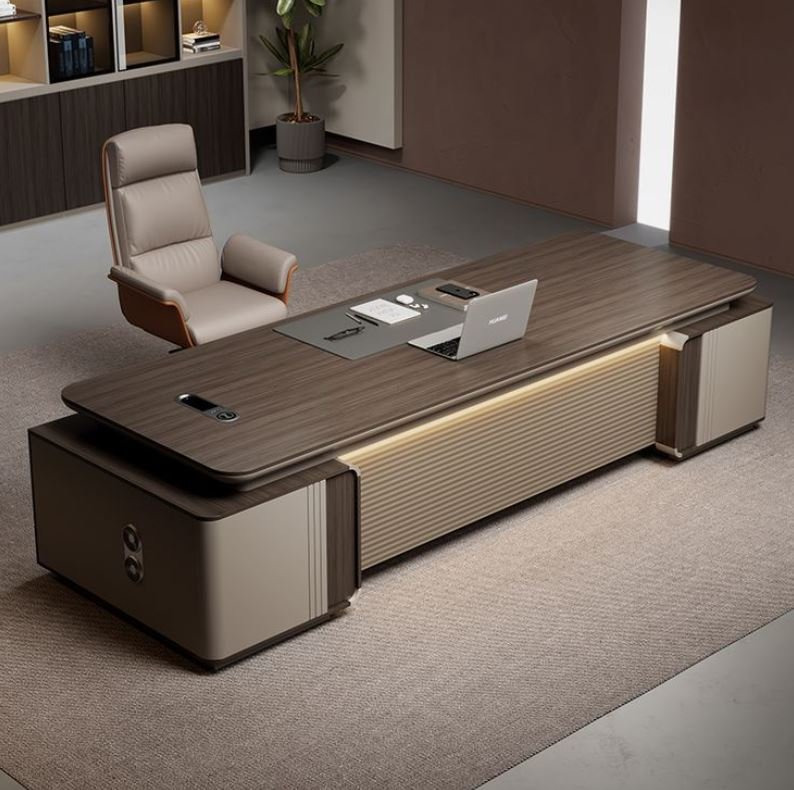
Understanding how to organize office furniture? is essential for creating a productive, comfortable, and efficient workspace. Whether you are setting up a home office or managing a corporate environment, proper furniture arrangement directly impacts workflow, employee focus, and overall productivity. A well-organized office is not just about placing desks and chairs; it involves strategic planning of space, lighting, movement flow, and storage systems. When office furniture is arranged thoughtfully, it reduces clutter, improves accessibility, and supports better time management. Many businesses overlook the importance of structured layout, which often leads to wasted space and decreased efficiency. By learning how to organize office furniture?, you can transform even a small area into a highly functional workspace that encourages creativity and professional performance. The key is to balance aesthetics with functionality while ensuring that every piece of furniture serves a clear purpose in the office environment.
Planning Office Furniture Layout
A successful office setup begins with a clear layout plan that defines where each piece of furniture will be placed. When considering how to organize office furniture?, the first step is to analyze the available space and understand how people will move within it. Walkways should remain open, and frequently used items should be placed within easy reach. Desks should be positioned in a way that minimizes distractions while allowing natural light to support productivity. Chairs, tables, and cabinets must be arranged according to daily workflow patterns rather than random placement. It is also important to consider team collaboration areas versus individual workstations. In modern office designs, flexibility plays a key role, so modular furniture is often preferred because it can be easily rearranged when needed. Proper planning also includes leaving enough breathing space between furniture items to avoid overcrowding. This structured approach ensures that the office remains organized, visually appealing, and efficient for long-term use.
Space Optimization Strategies
Maximizing space is a critical part of understanding how to organize office furniture? effectively. Even large offices can feel cluttered if space is not used wisely, while small offices can appear spacious with the right techniques. One effective strategy is to use vertical space by installing shelves and wall-mounted storage units. This helps keep the floor area clear and improves movement. Another approach is to choose multi-functional furniture, such as desks with built-in drawers or foldable tables that can be stored when not in use. It is also important to avoid unnecessary furniture pieces that do not serve a clear function. Keeping only essential items ensures a clean and organized environment. Natural light should be maximized by placing furniture near windows without blocking sunlight flow. Additionally, digital storage solutions can reduce the need for physical storage units, making the workspace even more efficient. Proper space optimization leads to better concentration, reduced stress, and improved workplace productivity.
Ergonomics and Workflow Efficiency
When exploring how to organize office furniture?, ergonomics plays a major role in ensuring employee comfort and long-term health. Ergonomic furniture is designed to support proper posture, reduce strain, and enhance overall well-being. Chairs should provide proper lumbar support, while desks should be at a height that allows comfortable typing and writing positions. Monitors should be placed at eye level to reduce neck strain. Organizing furniture according to workflow also improves efficiency. For example, placing printers, filing cabinets, and essential tools within close proximity reduces unnecessary movement and saves time. Office layouts should support smooth communication between team members while also allowing quiet zones for focused tasks. A well-planned ergonomic setup not only improves physical comfort but also increases productivity by reducing fatigue and distractions. Employees working in a comfortable environment tend to perform better and maintain higher levels of motivation throughout the day.
Storage and Organization Systems
Effective storage solutions are a key component of understanding how to organize office furniture? in a practical way. Without proper storage, even the best-designed office can become cluttered and inefficient. Cabinets, drawers, and shelving units should be strategically placed to ensure easy access to important documents and supplies. Labeling storage areas improves organization and saves time when searching for items. It is also helpful to categorize materials based on frequency of use, keeping daily essentials within reach and storing less-used items in designated areas. Offices should also adopt a minimalistic approach by removing unnecessary paperwork and using digital tools whenever possible. Keeping desks clean and organized helps maintain focus and creates a professional atmosphere. Regular decluttering routines should be implemented to ensure the workspace remains tidy over time. Good storage planning supports smooth operations and reduces stress caused by disorganization.
Conclusion
In conclusion, mastering how to organize office furniture? is essential for building a productive, comfortable, and visually appealing workspace. From planning layouts and optimizing space to ensuring ergonomic comfort and implementing smart storage systems, every step contributes to a more efficient office environment. A well-organized workspace not only improves employee performance but also enhances overall business operations by reducing wasted time and improving focus. Whether you are redesigning a small office or managing a large corporate setup, applying these principles will help you achieve better results and long-term efficiency. A thoughtfully arranged office creates a positive working atmosphere that supports both creativity and productivity. For high-quality solutions and professional workspace setups, Cebu office furniture den provides reliable options that help businesses create well-structured and efficient office environments.

