 Skip to content
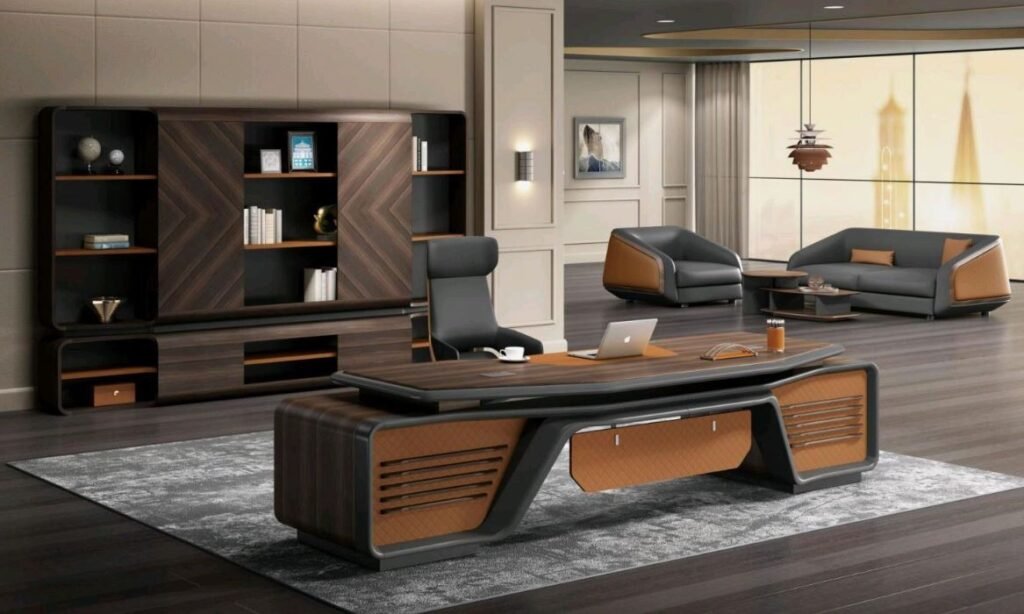
Businesses today understand that workplace environments directly influence productivity, collaboration, and employee satisfaction. Choosing the right office furniture designs is no longer only about filling a space with desks and chairs; it is about creating an atmosphere that supports efficiency and comfort. Modern companies focus on layouts that encourage movement, creativity, and organization while maintaining a professional appearance. From startups to corporate offices, thoughtfully designed interiors help employees stay motivated throughout the workday. When organizations invest in well-planned furniture arrangements, they also improve workflow and reduce workplace stress, which ultimately leads to better performance and stronger team dynamics.
Why Office Furniture Designs Matter for Productivity
The connection between workspace design and productivity has become increasingly clear in recent years. Employees spend long hours at their desks, so furniture must support posture, accessibility, and functionality. Carefully selected office furniture designs allow workers to stay comfortable, minimizing fatigue and distractions. Ergonomic chairs, adjustable desks, and properly positioned storage units help reduce physical strain, enabling employees to focus on tasks rather than discomfort. In addition, well-organized layouts eliminate clutter, making it easier to locate documents and tools quickly. When employees feel physically supported and mentally organized, productivity naturally increases across departments.
Balancing Style and Functionality in Modern Offices
A successful office environment combines visual appeal with practical use. While aesthetics create a strong first impression for clients and visitors, functionality ensures long-term efficiency. Modern office furniture designs often include clean lines, neutral colors, and flexible configurations that adapt to changing business needs. Modular workstations and collaborative tables allow teams to reconfigure spaces easily. This balance between style and usability ensures that offices remain relevant as companies grow. Businesses that prioritize both design and practicality often experience improved employee morale and a stronger professional image.
Choosing the Right Furniture for Different Work Areas
Every office contains multiple zones, each requiring a unique approach to furniture selection. Reception areas need welcoming seating and organized counters that reflect brand identity. Workstations require ergonomic desks and chairs that promote focus and comfort. Meeting rooms benefit from spacious tables and supportive seating that encourage collaboration. Breakout spaces, on the other hand, should include relaxed seating options that allow employees to recharge. Effective office furniture designs consider the purpose of each area, ensuring that every corner of the workplace serves a meaningful function while maintaining visual consistency throughout the office.
The Role of Ergonomics in Workplace Design
Ergonomics has become a major priority for companies aiming to protect employee health. Poor seating and desk arrangements can lead to long-term health issues, including back pain and fatigue. Modern office furniture designs integrate ergonomic principles such as adjustable heights, lumbar support, and flexible positioning. These features help employees maintain proper posture during extended working hours. Organizations that invest in ergonomic solutions often see reduced absenteeism and improved employee satisfaction. A comfortable employee is more engaged, focused, and motivated to perform at their best.
Space Optimization for Growing Businesses
Office space is valuable, especially in busy business districts where every square foot matters. Smart office furniture designs maximize available space without making environments feel crowded. Compact storage solutions, multifunctional desks, and modular partitions help businesses utilize space efficiently. Open layouts combined with strategic furniture placement create a sense of openness while maintaining privacy where needed. Companies that plan their furniture layout carefully can accommodate growth without constantly relocating or expanding their premises, saving both time and operational costs.
Trends Shaping Contemporary Office Furniture
Workplace trends continue to evolve as businesses adapt to hybrid work models and technological advancements. Flexible seating arrangements, collaborative hubs, and standing desks are becoming increasingly popular. Sustainable materials are also gaining attention as organizations aim to reduce environmental impact. Many modern office furniture designs now incorporate eco-friendly materials, durable finishes, and minimalist aesthetics. Technology integration is another key trend, with desks designed to manage cables and support digital devices seamlessly. These innovations help create future-ready offices that align with modern working styles.
Importance of Storage Solutions in Office Layouts
Storage plays a vital role in maintaining an organized workplace. Without proper cabinets, shelves, and filing systems, offices quickly become cluttered and inefficient. Effective office furniture designs include smart storage options that blend seamlessly with the overall layout. Vertical storage units save floor space, while mobile pedestals offer flexibility for employees who need easy access to documents. Organized storage not only improves efficiency but also enhances the visual cleanliness of the office, creating a professional and welcoming environment for both staff and visitors.
Enhancing Collaboration Through Furniture Arrangement
Collaboration is essential for innovation, and furniture layout can significantly influence teamwork. Open workstations, shared desks, and collaborative tables encourage communication among employees. Thoughtful office furniture designs create spaces where teams can brainstorm comfortably without disturbing others. Acoustic panels, flexible seating, and meeting pods allow businesses to balance collaboration with concentration. By designing areas specifically for teamwork, organizations promote idea sharing and stronger interpersonal connections among employees.
Long-Term Value of Investing in Quality Furniture
High-quality furniture may require a larger initial investment, but it delivers long-term benefits. Durable materials reduce maintenance and replacement costs, making them a cost-effective choice over time. Well-crafted office furniture designs maintain their appearance and functionality even with daily use. Businesses that prioritize quality also demonstrate professionalism and care toward their employees and clients. Investing in reliable furniture ensures that offices remain functional, stylish, and efficient for years to come.
Conclusion: Building Better Workspaces for Future Success
Modern workplaces demand thoughtful planning, flexibility, and comfort, all of which begin with choosing the right furniture. Strategic office layouts supported by smart office furniture designs help businesses improve productivity, enhance employee well-being, and create a strong professional identity. From ergonomic seating to collaborative layouts and efficient storage, every element contributes to a more effective working environment. Companies looking to create inspiring and practical workspaces can benefit from expert solutions offered by Cebu office furniture den, helping organizations build offices that support both present needs and future growth.

