 Skip to content
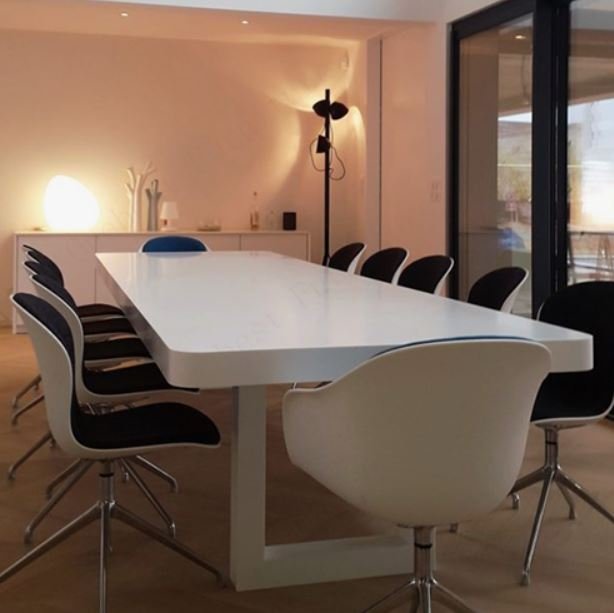
A meeting table is not just furniture; it is the central hub where ideas are shared, strategies are developed, and teamwork thrives. Offices today are designed to encourage collaboration, and the meeting table plays a pivotal role in shaping the productivity of any team. Choosing the right table ensures that your office environment is both functional and visually appealing, creating a professional atmosphere for employees and visitors alike.
Ergonomic Design for Comfortable Meetings
Comfort is a key factor when selecting a meeting table. Employees spend long hours in meetings, and a poorly designed table can lead to fatigue and decreased focus. Modern meeting tables often include ergonomic considerations such as proper legroom, adjustable heights, and sufficient surface area to accommodate documents, laptops, and other office essentials. By investing in a table that supports ergonomic needs, businesses can enhance employee satisfaction and maintain high levels of productivity during long discussions.
Materials and Durability Matter
Durability is essential when choosing a meeting table. High-quality materials such as engineered wood, steel, and laminated surfaces ensure that the table withstands daily use without showing wear and tear. Durable furniture reflects a company’s professionalism and can last for years, providing excellent return on investment. Businesses in Metro Manila, Quezon City, and other major cities are increasingly prioritizing sturdy materials to create meeting spaces that combine style and functionality.
Shapes and Sizes for Effective Collaboration
The shape and size of a meeting table directly influence how team members interact. Rectangular tables are ideal for formal meetings and presentations, allowing leaders to guide discussions efficiently. Circular or oval tables foster equality, encouraging participation from all attendees during brainstorming sessions. Small square tables are perfect for huddle rooms and quick discussions. By selecting the appropriate table shape and size, companies can optimize collaboration and communication among employees.
Technology Integration in Meeting Tables
Modern offices require meeting tables that support technology seamlessly. Tables with built-in cable management, power outlets, and USB ports allow employees to connect laptops, projectors, and other devices without cluttering the workspace. Video conferencing has become standard in many organizations, and having a tech-ready meeting table ensures smooth virtual meetings, whether team members are working on-site or remotely. Integrating technology into office furniture enhances efficiency and reduces disruptions during important discussions.
Aesthetic Appeal and Office Branding
A meeting table also contributes to the overall aesthetics of an office. The right design can create a welcoming environment that reflects a company’s brand identity. Sleek modern finishes, polished wood, and minimalist styles are popular choices for contemporary offices. The table should harmonize with other elements, such as chairs, walls, and lighting, to maintain a cohesive look. An attractive table not only boosts employee morale but also leaves a positive impression on clients and visitors.
Space Optimization in Meeting Rooms
For offices with limited space, selecting the right meeting table is crucial. Compact tables with modular designs can maximize room efficiency while still accommodating multiple participants. Mobile or foldable tables allow flexibility for different meeting setups and can be moved or reconfigured easily. Businesses that plan layouts strategically can create multifunctional spaces that serve both collaborative discussions and individual work needs.
Sustainability in Office Furniture
Eco-conscious companies are now seeking sustainable options when choosing a meeting table. Furniture made from recycled or responsibly sourced materials reduces environmental impact while maintaining high durability standards. Sustainable tables also reflect a company’s commitment to corporate social responsibility, appealing to environmentally aware employees and clients. By incorporating eco-friendly furniture, businesses can align their office design with modern sustainability practices without compromising style or quality.
Enhancing Employee Collaboration
The primary purpose of a meeting table is to foster collaboration. Well-designed tables encourage interaction, equal participation, and idea sharing. By arranging seating strategically and ensuring ample space for everyone, companies can create an environment that supports teamwork and innovation. Collaborative meeting tables also reduce hierarchical barriers, making it easier for team members to communicate openly and contribute effectively.
Choosing the Right Supplier
Selecting a trusted supplier is vital when purchasing a meeting table. Reputable suppliers offer high-quality furniture, reliable delivery, and professional consultation for optimal office layouts. Many providers also offer installation services, ensuring that tables are set up safely and efficiently. Working with experienced suppliers ensures that your investment in office furniture enhances productivity, comfort, and overall workplace aesthetics.
Conclusion: Invest in a Meeting Table
Investing in a high-quality meeting table is essential for any modern office. From ergonomic design to durability, technology integration, and aesthetic appeal, the right table contributes to employee satisfaction, collaboration, and overall productivity. Companies that prioritize well-designed meeting tables demonstrate a commitment to their workforce and professional image. By choosing the right furniture and supplier, businesses can transform meeting spaces into hubs of innovation and teamwork that drive success.

