 Skip to content

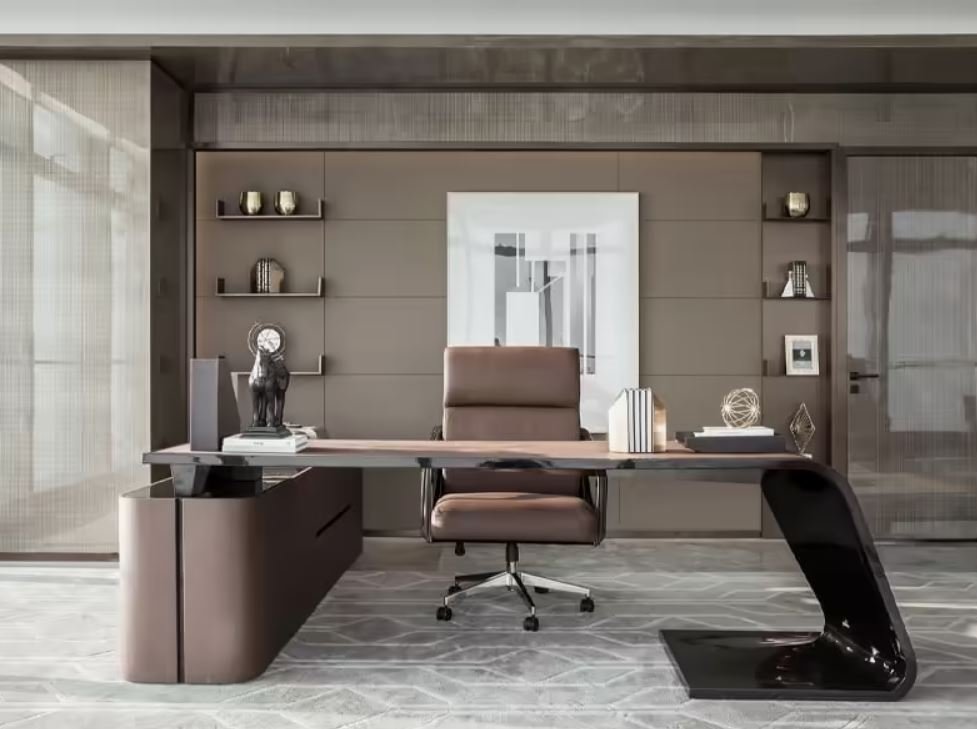
A well-designed office creates a positive impression on clients, supports employee comfort, and helps businesses operate efficiently. Choosing the right furniture is an important part of creating a workspace that meets daily business needs. From executive offices and meeting rooms to reception areas and compact home offices, every space requires furniture that balances functionality, comfort, and style.
The right Office Room Furniture can help businesses make better use of available space, improve organization, and create a professional environment. In the Philippines, where offices in Manila and Quezon City may have different layouts and space requirements, selecting furniture that suits the workplace is essential. Businesses should consider their team size, work activities, storage needs, interior design, and future growth before making purchasing decisions.
Why Office Room Furniture Matters for Modern Businesses
Office furniture is more than a collection of desks, chairs, and cabinets. It influences how employees work, communicate, and organize their responsibilities. A well-planned office layout can make everyday tasks easier while helping employees feel comfortable throughout the working day.
For example, an office with properly sized desks, supportive chairs, and accessible storage can reduce clutter and improve workflow. Similarly, a meeting room with a suitable conference table and comfortable seating can support productive discussions and professional presentations.
Businesses should also consider the impression their workspace creates. Clients, partners, and visitors often notice the office environment when they enter a workplace. Coordinated furniture, organized workstations, and a welcoming reception area can communicate professionalism and attention to detail.
Different Types of Office Furniture for Every Room
Each office area serves a specific purpose. Selecting furniture according to its function helps businesses create practical and visually consistent interiors.
Executive Office Furniture
Executive offices often require a combination of comfort, organization, and professional appearance. Executive desks, ergonomic chairs, storage cabinets, and side tables can help create an organized environment for meetings, planning, and administrative work.
When selecting executive furniture, consider desk dimensions, available storage, cable management, and the overall interior design. Wood finishes can create a traditional appearance, while minimalist designs may suit contemporary corporate offices.
Employee Workstations and Office Desks
Employee workstations should provide enough room for computers, documents, office supplies, and other essential equipment. Desk size should match the available floor space without restricting movement.
For open-plan offices, modular workstations can help organize teams while making efficient use of the available area. Individual desks may be more suitable for private offices or workplaces that require additional concentration.
Businesses should also consider how employees use their workstations. Staff members who spend most of their day at a computer may benefit from adjustable desks, suitable monitor positioning, and ergonomic seating.
Office Chairs for Comfort and Support
Office chairs are essential for employees who spend extended periods sitting at their desks. A suitable chair should provide appropriate back support, adjustable height, and comfortable cushioning.
Features such as adjustable armrests, lumbar support, and a stable base can help employees maintain a more comfortable working position. Before purchasing chairs in bulk, businesses should consider testing samples to evaluate their adjustability and build quality.
Meeting Room and Conference Furniture
Office Room Furniture support collaboration, interviews, presentations, and client discussions. A conference table should accommodate the expected number of participants while leaving enough space for chairs and movement.
For smaller offices, compact meeting tables can provide practical seating without occupying excessive floor space. Larger organizations may prefer modular conference tables that can accommodate different meeting formats.
Matching chairs, suitable lighting, and organized cable access can further improve the usability of meeting spaces.
Storage Cabinets and Office Organization
Storage furniture helps keep important documents, office supplies, and equipment organized. Depending on workplace requirements, businesses can choose filing cabinets, bookshelves, lockable cupboards, mobile pedestals, and overhead storage units.
Before purchasing storage furniture, assess the types of materials that need to be stored and how frequently employees access them. Lockable cabinets may be useful for confidential documents, while mobile pedestals can provide convenient storage beside individual desks.
How to Choose the Right Office Room Furniture
Selecting furniture requires more than comparing prices or choosing attractive designs. Businesses should evaluate their operational needs and the long-term value of each item.
Measure the Available Office Space
Start by measuring the room, including its length, width, doorways, windows, and other fixed features. Consider the placement of electrical outlets, air-conditioning units, and existing equipment.
Create a simple floor plan before purchasing large desks or conference tables. This helps determine how furniture will fit and whether employees can move comfortably between work areas.
In offices located in busy commercial areas of Manila and Quezon City, efficient space planning can be particularly useful when businesses need to accommodate multiple employees within a limited floor area.
Prioritize Ergonomics
Ergonomic furniture supports a more comfortable and practical working environment. Desks should provide sufficient working space, while chairs should allow users to adjust their seating position.
Monitor placement, keyboard position, and adequate legroom also matter. Employers should consider the needs of different employees rather than assuming that one chair or desk configuration will suit everyone.
Evaluate Materials and Durability
Office furniture is a long-term business purchase, so material quality deserves careful attention. Common options include engineered wood, solid wood, metal, laminate surfaces, and combinations of different materials.
Each material has different maintenance requirements, appearance, and durability characteristics. Laminate desks may be practical for everyday use, while metal frames can provide structural support. The best choice depends on the intended use, expected workload, and available budget.
Ask suppliers about construction quality, warranty coverage, maintenance instructions, and replacement options before placing a large order.
Consider Your Budget and Total Cost
The lowest purchase price does not always provide the best value. Businesses should compare durability, comfort, maintenance, delivery arrangements, and warranty terms when evaluating furniture suppliers.
For larger projects, request a detailed quotation that separates individual furniture items, quantities, delivery charges, assembly services, and any additional costs. This makes it easier to compare proposals accurately and avoid unexpected expenses.
Office Furniture Ideas for Small and Large Workspaces
Different office sizes require different furniture strategies. A compact workspace benefits from furniture that maximizes usability, while a larger office may need clearly defined areas for individual work, meetings, and collaboration.
For small offices, consider compact desks, vertical storage, mobile pedestals, and multi-purpose meeting tables. Furniture with clean lines can help maintain a less cluttered appearance. Before adding more workstations, check that the layout still provides comfortable movement and access to essential facilities.
For larger corporate offices, modular workstations can help organize departments and support future changes. Dedicated meeting rooms, executive offices, shared collaboration areas, and well-planned storage can create a more structured working environment.
Startups may benefit from flexible furniture that can be rearranged as teams grow. Schools, hospitals, and government offices may require different furniture specifications based on their administrative activities, storage needs, durability expectations, and procurement procedures.
Office Room Furniture Trends for Modern Interiors
Modern workplaces increasingly focus on flexibility, functionality, and a consistent visual identity. Businesses can apply these principles without following every design trend.
Minimalist furniture is a practical option for offices that need a clean and organized appearance. Neutral finishes, simple shapes, and coordinated colors can create a professional interior without unnecessary decoration.
Modular furniture is another useful choice because it allows workstations and meeting areas to adapt to changing requirements. Height-adjustable desks may also be suitable for workplaces that want to offer employees different working positions.
Cable management is equally important. Desks with cable trays, built-in access points, or dedicated equipment storage can help reduce visible wires and keep work areas organized.
Sustainable purchasing is also worth considering. Businesses can evaluate furniture made with responsibly sourced materials, durable components, and repairable designs. Choosing long-lasting products can reduce the need for frequent replacements.
Common Mistakes to Avoid When Buying Office Furniture
A few purchasing mistakes can create unnecessary costs and workplace inconvenience.
One common mistake is buying furniture before measuring the room. Large desks or conference tables may leave insufficient space for movement, storage, or additional equipment.
Another mistake is focusing entirely on appearance. An attractive chair may not provide adequate adjustment, while a stylish desk may lack enough working space or storage.
Businesses should also avoid overlooking future requirements. If a company expects to hire more employees, choosing adaptable workstations may be more practical than purchasing furniture that cannot accommodate changes.
Finally, do not compare suppliers on price alone. Review product specifications, construction, warranties, delivery arrangements, and after-sales support before making a decision. For bulk purchases, confirm product dimensions, finishes, quantities, and delivery schedules in writing.
Why Work With a Reliable Office Furniture Supplier?
A dependable supplier can help businesses select furniture that matches their room dimensions, operational needs, and budget. This is especially valuable when furnishing multiple departments or planning a complete office renovation.
Before choosing a supplier, prepare a list of required furniture items and the approximate quantities needed. Share your preferred designs, room measurements, budget range, and delivery location so the supplier can provide a more relevant quotation.
Businesses should ask whether the supplier can accommodate bulk orders, provide product specifications, coordinate delivery, and explain warranty conditions. If possible, inspect product samples or visit a showroom to assess materials, finishes, and seating comfort.
For organizations furnishing offices in the Philippines, working with a supplier that understands local business requirements can make the selection and purchasing process more manageable.
How Cebu Office Furniture Den Can Help With Your Office Setup
Choosing furniture becomes easier when you have a clear understanding of your workplace requirements. Cebu Office Furniture Den can be included in your furniture sourcing process when comparing options for desks, chairs, workstations, conference tables, and storage solutions.
Before making a purchase, identify the main purpose of each room and prioritize the furniture that employees need most. Consider comfort, durability, available space, and long-term value rather than choosing products based on appearance alone.
Businesses planning a new office, expanding an existing workplace, or replacing outdated furniture should prepare their requirements before requesting a quotation. A clear furniture list helps suppliers understand the project and makes it easier to compare suitable options.
If you are furnishing an office in Manila, Quezon City, or another location in the Philippines, confirm product availability, delivery coverage, lead times, and service arrangements directly with your chosen supplier before proceeding.
Frequently Asked Questions About Office Room Furniture
What Furniture Is Essential for an Office Room?
Essential office furniture typically includes desks, ergonomic chairs, storage cabinets, and suitable lighting. Meeting tables, reception furniture, and additional workstations depend on the office layout and business activities.
How Do I Choose Furniture for a Small Office?
Measure the available space and prioritize compact desks, vertical storage, and flexible furniture. Maintain enough room for comfortable movement and access to doors, equipment, and shared areas.
Which Office Chair Is Best for Daily Use?
Look for a chair with adjustable height, suitable back support, comfortable cushioning, and a stable base. The best choice depends on the user’s needs, desk height, and working routine.
What Materials Are Best for Office Furniture?
Engineered wood, laminate, solid wood, and metal are common options. Compare durability, maintenance requirements, construction quality, and budget before selecting materials for your workplace.
How Can Businesses Reduce Office Furniture Costs?
Set a clear budget, compare detailed quotations, prioritize essential items, and evaluate long-term durability. Buying furniture in coordinated quantities may simplify planning, but businesses should confirm whether bulk pricing is available.
What Should I Ask an Office Furniture Supplier Before Buying?
Ask about product dimensions, materials, availability, warranty coverage, delivery charges, assembly services, and after-sales support. For larger projects, confirm quantities and delivery schedules before placing the order.
Conclusion
Selecting the right Office Room Furniture is an important investment in workplace comfort, organization, and professional presentation. By considering room dimensions, ergonomic requirements, material quality, storage needs, and long-term costs, businesses can create spaces that support their employees and daily operations.
Whether you are furnishing a compact office, planning a corporate workspace, or upgrading meeting rooms, the best approach is to identify your requirements before comparing furniture options. Careful planning helps reduce purchasing mistakes and ensures that every item serves a practical purpose.
With a clear furniture plan and a reliable sourcing process, businesses can build an office that looks professional and works efficiently. Cebu Office Furniture Den can be considered as part of your supplier evaluation when exploring suitable furniture options for your business. Focus on quality, functionality, and value to make informed purchasing decisions that support your workplace over the long term.

