 Skip to content
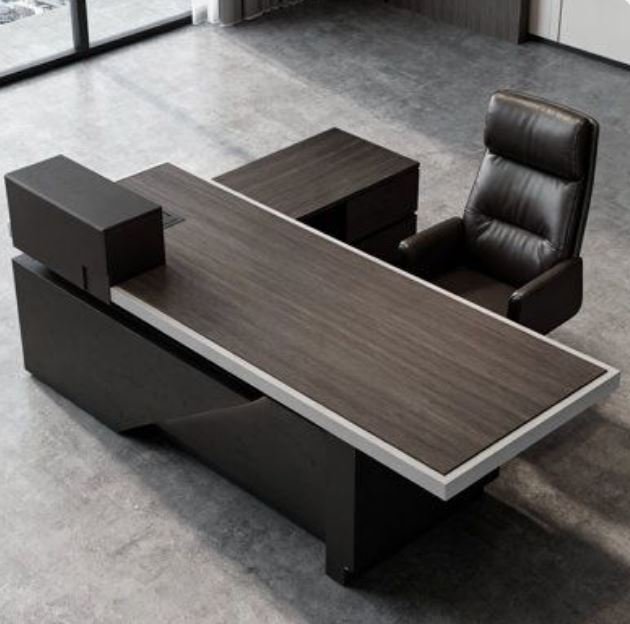
Choosing the right desk can have a direct impact on how comfortably and efficiently people work. For businesses in Manila, Quezon City, and other parts of the Philippines, an office desk needs to balance durability, workspace, ergonomics, organization, and available floor space. A well-planned desk setup can support focused work while helping create a professional and organized office environment.
For companies comparing Employee Desk Philippines options, the most important consideration is not simply the appearance of a desk. Buyers should also consider desk dimensions, materials, storage, cable management, employee requirements, office layout, and the type of work performed. Whether you are furnishing a startup, corporate office, school, government workplace, or professional service office, choosing desks based on actual working needs can make the purchasing decision more practical.
What Makes a Good Employee Desk?
A good employee desk should provide enough workspace for everyday tasks without taking up unnecessary floor area. Employees may need room for a computer, monitor, keyboard, documents, stationery, and other work equipment. A desk that is too small can quickly become cluttered, while an oversized desk may reduce the number of workstations that can fit comfortably in an office.
Desk height is another important factor. Employees spend many hours at their workstations, so the desk should work well with the office chair and encourage a comfortable working posture. Adjustable or ergonomically designed workstation solutions can be particularly useful when different employees have different physical requirements.
Durability also matters. Commercial office furniture experiences significantly more daily use than furniture intended for occasional home use. Strong frames, quality work surfaces, stable construction, and reliable hardware can help a desk withstand regular workplace demands.
Choosing Employee Desks for Philippine Offices
Philippine businesses operate in many different types of workspaces, from compact offices in busy commercial buildings to large corporate facilities. This means there is no single desk design that works for every organization.
Before purchasing office desks, consider:
- Available floor space
- Number of employees
- Type of work performed
- Computer and equipment requirements
- Required storage
- Office traffic flow
- Cable management needs
- Privacy requirements
- Future expansion
- Overall office design
For smaller offices, compact desks or modular workstations can help maximize available space. Larger organizations may benefit from workstation systems that allow multiple employees to work within a coordinated layout.
Employee Desk Designs for Different Work Environments
Different departments often have different furniture requirements. A finance employee may need space for documents and multiple screens, while a creative professional may require a larger working surface for design tools and reference materials.
Open-plan offices often use workstation desks because they allow businesses to organize several employees within a shared floor plan. Individual desks can provide more separation, while benching systems can support collaboration and efficient use of space.
Managerial and executive areas may require larger desks with additional storage. Reception and administrative areas can also require specialized desk configurations based on visitor interaction and daily responsibilities.
When selecting an Employee Desk Philippines solution, businesses should therefore look beyond a single desk and consider how each workstation will function as part of the entire office.
Office Desk Materials and Durability
The material used in a desk affects its appearance, durability, maintenance requirements, and overall value.
Common office desk materials include engineered wood, laminate surfaces, metal components, and combinations of different materials. Laminate finishes are often practical for busy offices because they are available in different colors and finishes and can be relatively easy to maintain.
Metal frames can provide structural stability, particularly when desks are designed for frequent commercial use. A combination of a durable work surface and strong supporting structure can be suitable for offices that need furniture capable of handling everyday workloads.
The best material ultimately depends on usage, budget, design preferences, maintenance expectations, and the environment where the furniture will be installed.
Ergonomics Should Be Part of the Buying Decision
Employee productivity should not be considered separately from workplace comfort. A desk and chair work together as a workstation, so businesses should evaluate both when planning an office.
The monitor should be positioned appropriately, frequently used items should remain within easy reach, and employees should have adequate legroom beneath the desk. Cable placement should also be considered because loose wires can create clutter and make cleaning more difficult.
Businesses can improve workstation planning by considering desk height, chair adjustability, monitor placement, keyboard position, lighting, and employee movement.
Ergonomic planning is especially valuable when employees spend most of their working day at computers.
How to Choose the Right Desk Size
Desk dimensions should match both the employee’s tasks and the available office space.
A compact desk may work well for employees who primarily use a laptop. Employees using multiple monitors, paperwork, or specialized equipment may require a wider or deeper work surface.
Before ordering desks, measure the room carefully. Include space for chairs, walkways, cabinets, doors, windows, electrical outlets, and other furniture. Planning these details before purchasing can prevent overcrowding.
For larger projects, businesses should create a complete furniture layout instead of purchasing desks individually without considering the overall floor plan.
Employee Desks and Office Space Planning
Office furniture should support movement as well as productivity. Workstations placed too closely together can make an office feel crowded and may interfere with employee movement.
A professional office layout should consider:
- Employee workstations
- Walkways
- Meeting areas
- Storage cabinets
- Reception spaces
- Collaboration zones
- Private offices
- Power and data connections
Modular office furniture can be particularly useful for growing businesses because layouts can potentially be adjusted when teams expand or departments change.
Why Modular Workstations Can Be Useful
Businesses that expect growth may benefit from modular desk systems. Instead of treating every desk as an independent piece of furniture, modular systems can create coordinated workstation arrangements.
This approach can make it easier to organize departments and maintain a consistent office appearance. It may also simplify future changes to the workspace.
For startups and expanding companies, flexibility can be an important purchasing consideration. A desk solution that works for the current team while allowing future adjustments can help businesses plan their furniture investment more effectively.
Buying Employee Desks in Manila and Quezon City
Businesses searching for office furniture in Manila and Quezon City should consider more than product appearance and advertised price. The supplier’s ability to provide suitable configurations, quantities, delivery support, and project assistance can also matter.
For larger office projects, ask suppliers about:
- Available desk configurations
- Customization options
- Material specifications
- Dimensions
- Bulk purchasing
- Delivery arrangements
- Installation services
- Warranty coverage
- Maintenance requirements
- Replacement components
Getting these details before placing an order makes it easier to compare suppliers and select furniture that matches the project’s actual requirements.
Common Mistakes When Buying Employee Desks
One common mistake is choosing desks based only on appearance. A stylish desk may not provide enough working space or storage for employees.
Another mistake is failing to measure the office before ordering. Even high-quality desks can create problems if they do not fit properly within the planned layout.
Businesses should also avoid ignoring cable management. Modern offices often require multiple power and data connections, and poorly managed cables can make workstations look untidy.
Buying without considering future growth can create another challenge. If a company expects to add employees, it is useful to consider whether the selected furniture system can adapt to a larger workforce.
How to Create a Professional Employee Workstation
A professional workstation should combine functionality, comfort, organization, and visual consistency. Start with the desk and ergonomic chair, then consider monitor placement, lighting, storage, and cable organization.
Keep frequently used items within comfortable reach and avoid unnecessary objects on the working surface. Storage cabinets, pedestals, and shelving can help keep documents and supplies organized without occupying the primary work area.
For businesses furnishing an entire office, coordinating desk finishes with chairs, cabinets, reception furniture, and meeting tables can create a consistent workplace design.
Finding the Right Employee Desk Supplier
Selecting the right supplier is an important part of an office furniture project. Businesses should look for a supplier that understands commercial furniture requirements rather than simply selling individual desks.
A suitable supplier should be able to discuss workspace requirements, recommend appropriate configurations, provide product specifications, and support larger furniture orders.
For organizations planning an office project, Cebu Office Furniture Den can be considered when researching office furniture solutions and comparing options for employee workspaces. Businesses should still evaluate products according to their own dimensions, budget, employee requirements, and project specifications.
Final Buying Checklist
Before purchasing employee desks, review the following checklist:
- Measure the available office area.
- Determine the number of employees.
- Identify each department’s workspace requirements.
- Select suitable desk dimensions.
- Check desk height and ergonomics.
- Review materials and construction quality.
- Plan cable management.
- Consider storage requirements.
- Check delivery and installation arrangements.
- Ask about warranties and after-sales support.
- Plan for future office expansion.
- Compare quotations from suitable suppliers.
A careful buying process can help businesses avoid unnecessary furniture replacements and create workstations that support everyday productivity.
Frequently Asked Questions
What is the best desk size for an employee?
The appropriate size depends on the employee’s equipment, responsibilities, available floor space, and workstation layout. Computer-heavy roles may require more surface area.
What should I consider when buying employee desks?
Consider dimensions, ergonomics, materials, durability, storage, cable management, office layout, budget, and future expansion.
Are modular desks suitable for growing businesses?
Yes. Modular systems can provide flexibility when companies need to reorganize workstations or accommodate additional employees.
Should office desks match office chairs?
They do not have to match visually, but their dimensions and ergonomic characteristics should work together to create a comfortable workstation.
Where can businesses buy employee desks in the Philippines?
Businesses can compare office furniture suppliers based on product specifications, customization, project support, delivery, installation, warranty, and overall suitability for their workspace.
How can I choose desks for a small office?
Prioritize compact dimensions, efficient layouts, adequate legroom, cable management, and multifunctional storage while maintaining comfortable employee work areas.

