 Skip to content
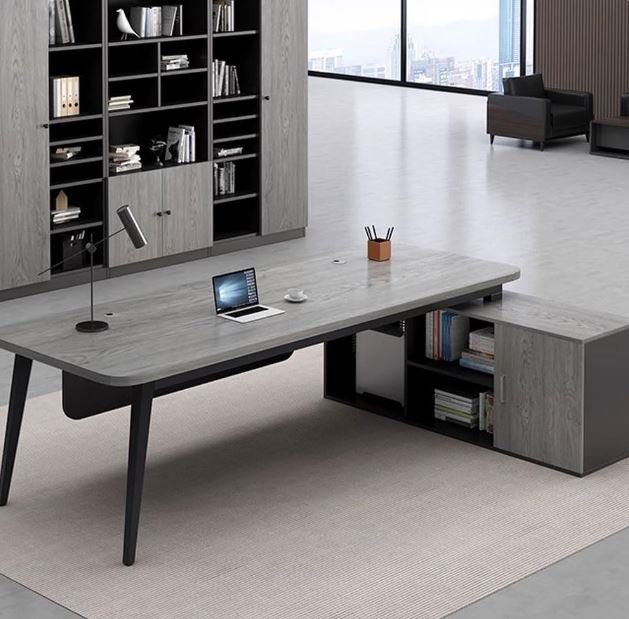
Choosing the right desk is an important part of creating a productive, comfortable, and professional workplace. Whether you are furnishing a corporate office, startup, school, government facility, or home-based business, the right desk should support daily work while making efficient use of available space. Businesses planning to Buy Office Desks should consider more than appearance and price. Desk size, layout, storage, materials, durability, ergonomics, and the number of employees all affect the long-term value of an office furniture investment.
For businesses in Manila and Quezon City, office desks are available in many configurations, from compact workstations and executive desks to shared benching systems and modular office tables. Understanding the differences between these options can make purchasing easier and help businesses create a workplace that matches their operational needs.
How to Choose the Right Office Desk
The best office desk depends on how the workspace will be used. An accountant may need a spacious workstation for documents and monitors, while a manager may require an executive desk with additional storage. A startup with limited floor space may benefit from compact desks or modular workstations that can be rearranged as the team grows.
Before purchasing, consider the number of employees, available floor area, equipment requirements, storage needs, and preferred office layout. Measuring the room before ordering is especially important because a desk that looks suitable online may occupy more space than expected once chairs, cabinets, walkways, and other furniture are included.
It is also useful to think about future expansion. Modular office desks can provide flexibility when companies add employees or reorganize departments.
Popular Types of Office Desks in the Philippines
Different businesses require different desk configurations. Understanding the main categories makes it easier to compare products and identify the most practical option.
Executive desks are designed for managers, directors, and private offices. They generally provide a larger working surface and may include drawers, pedestals, or integrated storage.
Computer desks are suitable for employees who work primarily with computers. They can accommodate monitors, keyboards, laptops, and other essential equipment without requiring excessive floor space.
Workstations are designed for individual or shared employee areas. They are particularly useful in corporate offices where efficient space planning is important.
L-shaped desks provide separate working areas while fitting effectively into corners. They can be useful for employees who need space for multiple monitors, documents, or office equipment.
Meeting tables are designed for collaboration, discussions, presentations, and team meetings. Their size and shape should correspond with the number of people who regularly use the meeting room.
Reception desks create the first physical impression of an office. They should combine functionality with a professional appearance while providing sufficient workspace for reception staff.
What Materials Should You Consider?
Office desks can be manufactured from several materials, and each has different characteristics. Engineered wood and laminate surfaces are common choices because they can provide a practical balance between appearance, durability, and maintenance.
Metal components may be incorporated into desk frames for additional structural support. Glass can create a contemporary appearance, although it may require more frequent cleaning to maintain a polished look.
When comparing materials, consider how heavily the desk will be used. A busy office with employees using desks throughout the day may require surfaces that can withstand regular handling, cleaning, equipment movement, and general wear.
The quality of construction also matters. Check the stability of the frame, edge finishing, drawer mechanisms, joints, and hardware before making a purchase.
Office Desk Size and Space Planning
Desk dimensions should match the available workspace. A large desk can provide excellent working space, but it may make a small office feel crowded. Conversely, an undersized desk may leave employees without sufficient room for monitors, paperwork, and everyday equipment.
A practical office layout should leave enough space for employees to move comfortably between workstations. Consider doorways, storage cabinets, meeting areas, emergency routes, and shared equipment when planning the layout.
For offices in dense urban areas such as Manila and Quezon City, efficient space utilization can be particularly important. Modular desks, compact workstations, and shared configurations can help businesses make better use of limited floor space without sacrificing functionality.
Ergonomics Should Be Part of Your Buying Decision
A desk should work together with an appropriate Buy Office Desks and monitor setup. Desk height, legroom, monitor positioning, keyboard placement, and chair height can all influence working comfort.
Employees who spend many hours at their desks need a workspace that allows them to maintain a comfortable posture. Adjustable solutions can provide additional flexibility, particularly in workplaces where employees have different physical requirements.
When you Buy Office Desks, consider the complete workstation rather than treating the desk as an isolated piece of furniture. A well-planned workstation can include an appropriate chair, monitor stand, cable management, storage, and adequate lighting.
How Much Should You Spend on Office Desks?
There is no single price that suits every business. Office desk costs can vary according to dimensions, materials, construction quality, design, storage features, customization, and quantity.
Businesses should compare total value rather than simply choosing the cheapest option. A low-cost desk may not provide the durability or functionality required for intensive daily use, while an expensive executive model may offer features that a small startup does not need.
For larger purchases, request a quotation based on the actual quantity and specifications. Bulk requirements may also allow businesses to discuss customized configurations, delivery arrangements, and installation services.
Office Desks for Startups and Growing Companies
Startups often need furniture that can adapt as their teams change. Modular workstations and flexible desk configurations can make it easier to add employees or reorganize departments without replacing the entire office setup.
For a growing business, it is worth considering whether additional desks can be purchased later with matching dimensions, finishes, and components. Consistency can help maintain a professional appearance as the workplace expands.
Businesses should also consider cable management, shared storage, meeting spaces, and employee collaboration when planning a startup office.
Office Desks for Corporate and Professional Offices
Corporate offices often require a combination of workstations, executive desks, meeting tables, reception furniture, and storage solutions. Each area has a different purpose, so using one desk style throughout the entire workplace may not always be practical.
Employee workstations should prioritize functionality and efficient space use, while executive offices may require larger desks with additional storage. Meeting areas need tables that support collaboration, while reception areas require furniture that combines customer-facing presentation with everyday functionality.
A coordinated furniture plan can create visual consistency without making every department identical.
Buying Office Desks for Manila and Quezon City Businesses
Location can influence the purchasing process. Businesses should consider delivery access, installation requirements, building restrictions, floor access, and project timelines before ordering office furniture.
Companies in Manila and Quezon City may also benefit from working with an office furniture supplier that understands commercial workplace requirements. Local knowledge can make it easier to discuss measurements, delivery schedules, furniture configurations, and installation needs.
For large projects, prepare a basic furniture schedule before requesting quotations. Include the number of desks, preferred dimensions, storage requirements, colors or finishes, delivery location, and any customization requirements.
Common Mistakes to Avoid When Buying Office Desks
One common mistake is choosing desks based only on appearance. A stylish desk may not provide enough workspace or storage for employees.
Another mistake is failing to measure the office before ordering. Always account for walkways, chairs, cabinets, doors, windows, and shared spaces.
Businesses should also avoid ignoring cable management. Modern workstations often require several cables for computers, monitors, chargers, networking equipment, and other devices.
Finally, do not overlook durability. Office furniture experiences repeated daily use, so construction quality should be considered alongside design and price.
Why Work With an Experienced Office Furniture Supplier?
An experienced supplier can help businesses compare desk configurations according to their available space, employee requirements, budget, and office design. This can be particularly useful for larger projects where furniture needs to be coordinated across multiple departments.
Cebu Office Furniture Den can be considered when businesses are researching office furniture solutions and comparing desk options for professional environments. When requesting information, provide your expected quantity, preferred desk type, dimensions, delivery location, and project requirements to receive more relevant recommendations.
How to Prepare Before Requesting a Quote
Before contacting an office furniture supplier, prepare a short list of requirements. Include:
- Number of employees
- Number of desks required
- Approximate office dimensions
- Preferred desk styles
- Storage requirements
- Desired materials or finishes
- Budget range
- Delivery location
- Installation requirements
- Expected project completion date
Providing these details can help suppliers understand the project and create a more accurate quotation.
Frequently Asked Questions
What should I consider before buying office desks?
Consider desk size, workspace layout, materials, durability, storage, ergonomics, budget, and the number of employees who will use them.
What type of desk is best for a small office?
Compact workstations, straight desks, and L-shaped desks can be practical choices depending on the room layout and employee requirements.
Are modular office desks suitable for growing businesses?
Yes. Modular configurations can make it easier to expand or reorganize a workplace as staffing requirements change.
How many office desks should I order?
The quantity depends on your staffing plan, workspace arrangement, shared-desk strategy, and future expansion requirements.
Should office desks match the office chairs?
They do not have to match exactly, but desk height and chair adjustability should work together to create a comfortable workstation.
Can office desks be customized?
Many office furniture suppliers offer customization options such as dimensions, finishes, configurations, storage components, and workstation layouts.
Final Thoughts
The right office desk can support productivity, organization, comfort, and a professional workplace appearance. Businesses should evaluate their available space, employee requirements, furniture quality, budget, and future expansion plans before making a purchase.
Whether you are furnishing a small startup, expanding a corporate office, setting up a school facility, or planning a larger commercial workspace, comparing desk types and requesting a detailed quotation can help you make a more informed decision. For businesses researching office furniture solutions in the Philippines, Cebu Office Furniture Den can be part of the supplier comparison process when evaluating suitable desk options for a professional workplace.

