 Skip to content
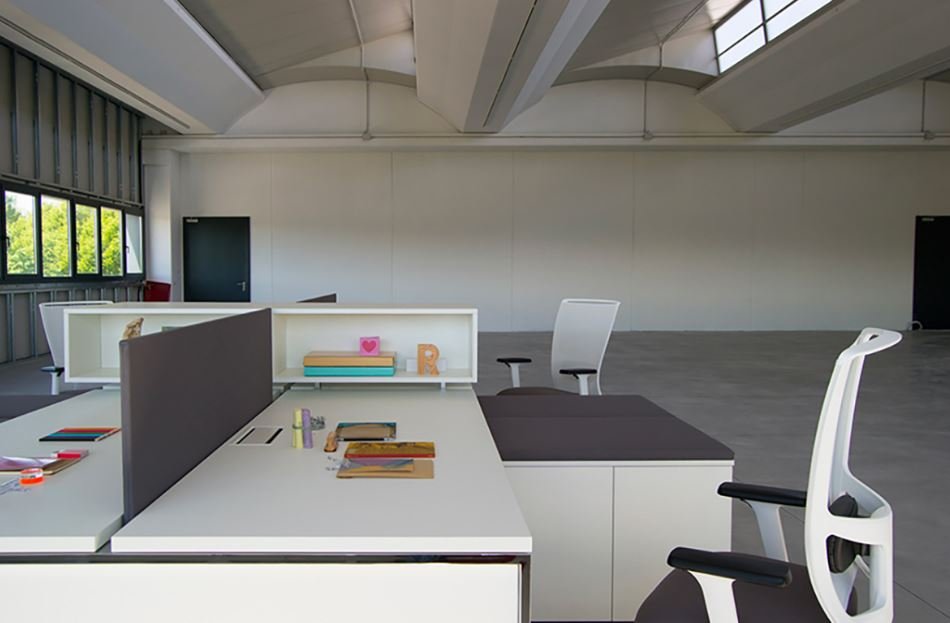
An Office Furniture Project involves more than selecting desks and chairs for a workplace. It requires careful planning around space, employee needs, workflow, storage, comfort, design, and long-term business requirements. For companies in Manila and Quezon City, a well-planned furniture project can help create a workplace that supports productivity while making better use of available floor space.
What Is an Office Furniture Project?
An Office Furniture Project is the organized process of planning, selecting, supplying, and installing furniture for a workplace. It can cover a small startup office, a corporate headquarters, a school administration area, a government department, a hospital office, or a large commercial facility.
The project may include office desks, workstations, ergonomic chairs, conference tables, reception counters, filing cabinets, pedestals, storage units, executive furniture, meeting-room furniture, and collaborative seating.
Unlike purchasing individual furniture pieces, project-based planning considers how every item works together. The objective is to create a functional office environment where furniture supports daily operations instead of creating unnecessary obstacles.
Why Proper Office Furniture Planning Matters
Furniture directly influences how people use an office. Poorly planned layouts can create crowded walkways, limited storage, uncomfortable workstations, and inefficient movement between departments. A structured furniture plan helps businesses address these issues before installation begins.
For example, an office with several departments may require different furniture configurations. A finance team may need individual workstations with accessible storage, while a meeting room may require a large conference table and comfortable seating. Reception areas may need a counter, visitor chairs, and storage without making the entrance feel congested.
Planning also makes budgeting easier because businesses can identify priorities before purchasing begins.
Key Stages of an Office Furniture Project
A successful project generally starts with understanding the workplace rather than immediately choosing furniture.
The first step is a site assessment. Measurements, room dimensions, entrances, windows, columns, electrical points, circulation paths, and existing fixtures should be considered.
The next stage is space planning. This determines where workstations, desks, meeting areas, storage, reception furniture, and other elements should be positioned.
Furniture selection follows the layout. Businesses can then compare materials, dimensions, configurations, ergonomic features, finishes, and storage requirements.
Finally, delivery and installation need to be coordinated with the workplace schedule. Proper installation helps ensure that furniture is assembled safely and positioned according to the approved layout.
Choosing Furniture Based on Workplace Needs
Different organizations require different furniture solutions. There is no single configuration that works for every office.
Startups may prioritize flexible workstations and efficient storage because their teams can change quickly. Established corporations may require departmental layouts, executive offices, conference rooms, reception areas, and employee workstations.
Schools can require administrative desks, staff workstations, filing solutions, and meeting furniture. Government offices may need durable furniture designed for organized records and regular public interaction. Hospitals and healthcare facilities can require office furniture that supports administrative functions while fitting the operational requirements of the facility.
Understanding the purpose of each space makes furniture selection more practical.
Office Workstations and Desks
Workstations are often the foundation of an Office Furniture Project. Their size and configuration should match the available space and the employee’s responsibilities.
Bench-style workstations can support collaborative departments while making efficient use of floor space. Individual workstations can provide greater separation between employees. L-shaped desks may be useful for roles requiring multiple working surfaces, while executive desks can create a more formal environment.
The right choice depends on workflow, available space, storage needs, privacy requirements, and the number of employees.
Ergonomic Office Chairs
Office chairs should be considered carefully because employees can spend many hours sitting at their desks.
Useful ergonomic features may include adjustable seat height, appropriate lumbar support, comfortable cushioning, adjustable armrests, and a stable base. Employees also benefit when chairs are matched with desks at suitable working heights.
A furniture project should consider the relationship between desks and chairs instead of treating them as separate purchases.
Storage and Organization
Storage is another important part of workplace planning. Filing cabinets, mobile pedestals, cupboards, shelving, and other storage solutions can help reduce clutter.
Before choosing storage furniture, businesses should identify what needs to be stored and how frequently employees need access to it. Frequently used documents and supplies should remain easily accessible, while archived materials can be placed in less prominent storage areas.
Good storage planning can also keep walkways and work surfaces clearer.
Meeting and Collaboration Areas
Modern workplaces often include spaces for meetings, presentations, brainstorming, and informal collaboration.
A meeting room may require a conference table, ergonomic chairs, presentation furniture, and suitable storage. Smaller collaboration areas may use compact tables and flexible seating.
The furniture should match the expected group size and purpose of the room. A large conference table may be unnecessary for a small team, while an undersized table can restrict movement in a boardroom.
Reception and Executive Areas
Reception areas create an important first impression for visitors, clients, suppliers, and business partners. Reception furniture should provide an organized appearance without restricting movement.
Executive offices may require larger desks, visitor seating, storage cabinets, and meeting space. However, visual appearance should still be balanced with functionality.
Materials, finishes, proportions, and color choices can be coordinated across different areas to create a consistent workplace identity.
Office Furniture Projects in Manila and Quezon City
Businesses operating in Manila and Quezon City often work with different building types, floor plans, and space constraints. Office furniture therefore needs to be selected according to the specific property rather than relying entirely on standard layouts.
A project for a compact office may focus on space efficiency, while a larger corporate office may require department-based planning and multiple furniture zones.
Local businesses can benefit from discussing measurements, delivery requirements, installation access, building regulations, and project timelines before finalizing their furniture order.
How to Budget for an Office Furniture Project
A practical furniture budget should consider more than the purchase price of individual products.
Businesses should account for:
- Desks and workstations
- Office chairs
- Storage furniture
- Conference-room furniture
- Reception furniture
- Delivery
- Installation
- Accessories
- Future expansion
- Replacement requirements
Comparing furniture only by its initial price can overlook durability, maintenance, ergonomics, and long-term usability. A more useful approach is to consider the total value the furniture provides throughout its expected service life.
Common Office Furniture Project Mistakes
One common mistake is purchasing furniture before measuring the workplace. Even attractive furniture can become difficult to use when dimensions do not match the available floor area.
Another mistake is ignoring circulation. Employees and visitors need clear paths between work areas, meeting rooms, storage, and exits.
Businesses can also overlook future growth. If an organization expects to hire additional employees, the furniture plan should consider how the office could accommodate expansion.
Choosing furniture based only on appearance can create another problem. Workplace furniture needs to support everyday activities, not simply look good in photographs.
Questions to Ask Before Starting a Furniture Project
Before requesting a quotation, businesses should identify how many employees will use the space, which departments require dedicated areas, how much storage is needed, and whether the office is expected to expand.
It is also useful to establish a realistic project timeline and determine whether installation needs to take place outside normal working hours.
A detailed brief allows furniture suppliers and project teams to recommend solutions that are more closely aligned with the workplace.
How to Choose an Office Furniture Supplier
When comparing suppliers, businesses should look beyond product catalogs. Consider the supplier’s ability to understand workplace requirements, provide suitable furniture options, coordinate delivery, and handle installation.
A reliable supplier should also be able to discuss dimensions, materials, configurations, maintenance, warranties, and project requirements clearly.
For businesses considering a complete workplace setup, Cebu Office Furniture Den can be considered as a furniture provider when exploring office furniture solutions and project requirements.
Frequently Asked Questions
What does an Office Furniture Project include?
It can include space planning, furniture selection, delivery, installation, workstations, desks, chairs, storage, reception furniture, and meeting-room furniture.
How long does an office furniture project take?
The timeline depends on project size, furniture availability, customization, delivery requirements, and installation conditions.
What furniture is needed for a new office?
Common requirements include workstations, office chairs, desks, storage cabinets, meeting tables, reception furniture, and collaborative seating.
Should office furniture be selected before the office layout?
It is generally more practical to develop the layout and furniture requirements together so dimensions, circulation, storage, and employee needs can be considered.
How can businesses control furniture project costs?
Businesses can control costs by defining requirements early, prioritizing essential furniture, comparing specifications, and considering long-term durability rather than only the initial purchase price.

