 Skip to content
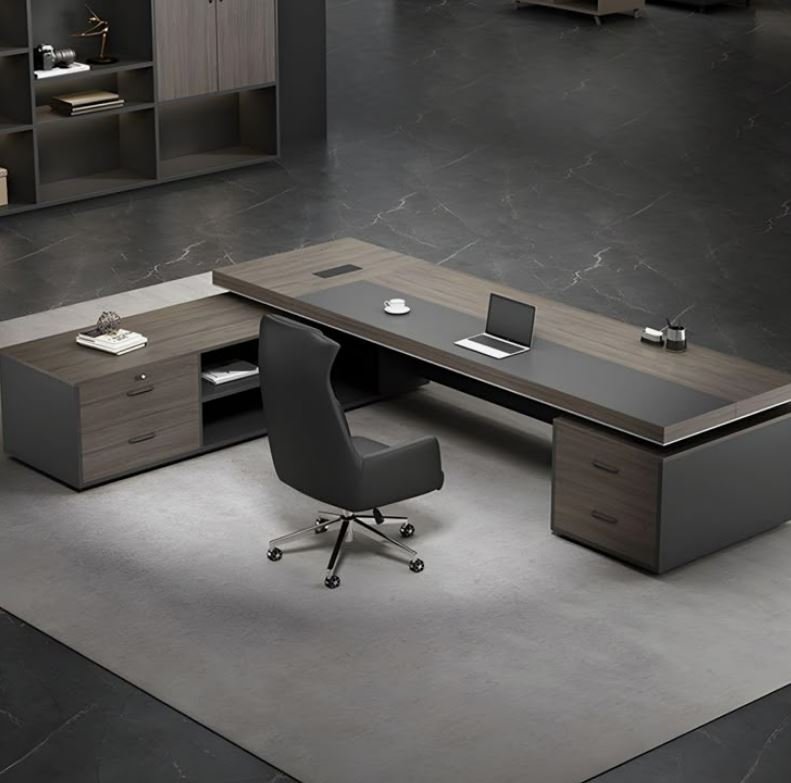
Choosing the right Office Table is an important decision for businesses that want a comfortable, organized, and professional workplace. A table is more than a surface for computers and documents. Its size, shape, materials, storage options, and layout can influence workflow, employee comfort, meeting efficiency, and the overall appearance of an office.
For companies in Manila and Quezon City, the right office furniture should also match the available floor space, working style, budget, and number of employees. Whether you are furnishing a startup, corporate office, school, hospital, government department, or professional workspace, selecting the right table can make everyday operations more practical.
How to Choose the Right Office Table
The best table depends on how the workspace will be used. Before buying, consider the number of people using it, available floor space, equipment requirements, storage needs, and the overall office layout.
A compact workstation may be suitable for employees who mainly use a laptop, while a larger executive desk may be more appropriate for managers who need additional space for documents, monitors, and meetings. For collaborative environments, benching systems or shared workstations can make better use of available floor space.
Businesses should also consider how employees move around the office. A table that looks attractive but leaves insufficient walking space can make the workplace feel crowded. Proper planning helps create a balanced environment where employees can work comfortably and move efficiently.
Popular Office Table Styles for Philippine Offices
Different office environments require different table configurations. Standard rectangular tables remain popular because they are practical, easy to arrange, and suitable for many workplace layouts.
Executive tables provide a larger working surface and a more substantial appearance. They are commonly used in managerial offices, boardrooms, and private executive spaces.
Workstation tables are designed for everyday employee use. They can be arranged individually or grouped together to support teams while making efficient use of floor space.
Meeting tables are designed for discussions, presentations, interviews, and team meetings. Depending on the room, businesses can choose rectangular, round, oval, or modular designs.
Reception tables and counters are also important because they create the first impression for visitors. Their design should complement the company’s branding while providing enough space for computers, phones, documents, and other reception equipment.
Office Table Materials and Durability
Material selection plays a major role in the durability and appearance of office furniture. Common options include engineered wood, laminate surfaces, metal frames, solid wood, and combinations of different materials.
Laminate finishes are widely used because they can provide a professional appearance while being relatively easy to maintain. Metal frames can add structural strength, while wood-based surfaces offer a warmer visual character.
When comparing materials, businesses should look beyond appearance. Consider how frequently the table will be used, how much equipment it needs to support, how easy the surface is to clean, and whether replacement parts or repairs are practical.
For busy commercial offices, durability should be treated as a long-term investment rather than an optional feature.
Office Table Size and Workspace Planning
Size should always be considered alongside the dimensions of the room. A large table may provide plenty of working space, but it can become impractical when placed inside a small office.
Measure the room before purchasing furniture. Account for walls, doors, windows, columns, storage cabinets, office chairs, and walking areas. This makes it easier to determine how much usable floor space is actually available.
For open-plan offices, modular workstations can help businesses organize employees without unnecessarily dividing the entire room. Smaller offices may benefit from compact tables with integrated storage.
In Manila and Quezon City, where commercial spaces can vary significantly in size and layout, careful space planning can help businesses get more value from their available floor area.
Ergonomics and Employee Comfort
An office table should support a comfortable working posture. Desk height, legroom, monitor placement, and the relationship between the table and office chair all contribute to everyday comfort.
Employees who spend long hours working at computers need enough space to position their monitor, keyboard, mouse, documents, and other equipment without creating unnecessary clutter.
Cable management is another useful consideration. Tables with cable ports or built-in cable management can help keep wires organized and reduce visual clutter.
A well-planned workstation should allow employees to arrange essential equipment within easy reach while maintaining enough open space for comfortable movement.
Office Table Designs for Small Offices
Small offices require furniture that makes efficient use of limited space. Compact rectangular desks, corner workstations, shared tables, and modular designs can be useful options.
Storage should also be considered carefully. Instead of filling the room with separate cabinets, businesses can choose tables with drawers, pedestals, or integrated storage where appropriate.
Light-colored finishes and simple designs can also make a smaller office feel more open. However, functionality should remain the priority. A visually minimal table is not necessarily the best choice if it cannot accommodate the employee’s daily equipment.
Office Tables for Collaborative Workspaces
Modern workplaces often require employees to communicate and collaborate. Traditional individual desks are not always the most efficient solution for teams.
Shared workstations and benching systems can create a more connected environment while using floor space efficiently. Conference tables can support scheduled meetings, while flexible modular tables can be rearranged when teams change.
The right configuration depends on how employees actually work. A company with frequent team discussions may benefit from collaborative tables, while employees who require concentration may need more separation.
Understanding workplace behavior before purchasing furniture can prevent unnecessary spending.
Office Table Selection for Different Industries
Office furniture requirements differ from one organization to another. Corporate offices may prioritize professional appearance, employee productivity, and standardized workstation layouts.
Startups may focus on flexibility and cost efficiency because teams and office layouts can change quickly. Architects and interior designers may require tables that complement a particular design concept.
Schools and training centers often need durable tables that can accommodate different activities. Hospitals and healthcare offices may require furniture that is practical, easy to maintain, and appropriate for professional environments.
Government offices may prioritize durability, organization, and standardized furniture layouts. Understanding the specific operating environment helps buyers select furniture that provides practical long-term value.
How Much Should You Spend on an Office Table?
There is no single ideal budget because prices depend on dimensions, materials, design, storage features, construction quality, and customization.
Instead of choosing solely according to the lowest price, businesses should consider total value. A low-cost table that requires frequent replacement may cost more over time than a durable option with a higher initial price.
For larger office projects, businesses should compare specifications, warranties, material quality, delivery arrangements, installation services, and customization options before making a purchasing decision.
Requesting a quotation from an office furniture supplier can also make it easier to compare different configurations based on the actual requirements of the workplace.
Custom Office Table Solutions
Standard furniture works well for many offices, but custom solutions can be useful when a workspace has unusual dimensions or specific functional requirements.
Customization may involve dimensions, colors, finishes, storage, cable management, workstation configurations, or matching furniture pieces.
Businesses should discuss their floor plan and operational requirements with an experienced supplier before ordering custom furniture. A good furniture solution should solve a workplace problem rather than simply look different.
For businesses planning a larger project, Cebu Office Furniture Den can be considered when exploring office furniture solutions and configurations suitable for professional workspaces.
Office Furniture Layout and Productivity
Furniture arrangement can affect how employees interact with their environment. Poorly positioned desks can create unnecessary congestion, while thoughtful layouts can improve movement and organization.
Place frequently used equipment where employees can access it easily. Keep walkways clear and consider the location of electrical outlets and network connections.
For team-based offices, arrange workstations according to communication patterns. For private offices, position the table so that the user has adequate working space without blocking doors or creating awkward movement.
A successful office layout should balance productivity, comfort, privacy, collaboration, and available space.
Common Mistakes When Buying an Office Table
One common mistake is purchasing furniture before measuring the room. This can result in tables that are too large or layouts that leave insufficient space for movement.
Another mistake is focusing only on appearance. A stylish table may not provide enough workspace, storage, durability, or cable management for everyday use.
Buyers should also avoid selecting furniture without considering the office chair. The table and chair should work together to support comfortable positioning.
Ignoring future growth can create another problem. Businesses that expect to hire additional employees should consider whether the selected furniture can be expanded or rearranged later.
Why Quality Matters for Business Furniture
Office furniture is used repeatedly throughout the working week, so construction quality matters. Strong materials, stable frames, durable surfaces, and reliable hardware can contribute to a longer service life.
Quality furniture can also help maintain a consistent professional appearance. This is especially important in reception areas, executive offices, meeting rooms, and client-facing environments.
Rather than treating office furniture as a short-term expense, businesses should evaluate it as part of their workplace infrastructure.
Office Table Buying Tips for Manila and Quezon City
Businesses in Manila and Quezon City should consider the actual conditions of their office location before ordering furniture. Building access, floor dimensions, elevators, delivery routes, installation requirements, and project timelines can all affect the purchasing process.
For large orders, it is useful to confirm delivery and installation arrangements in advance. Buyers should also request accurate product dimensions and review the furniture specifications before approving an order.
Local suppliers may also provide useful assistance with measurements, configurations, delivery, installation, and after-sales support. This can simplify larger office furniture projects.
How to Compare Office Furniture Suppliers
Do not compare suppliers based solely on price. Look at the range of furniture, customization capabilities, material specifications, project experience, delivery services, installation support, warranties, and customer service.
Ask for detailed quotations that clearly identify product dimensions, materials, finishes, quantities, and additional services. This makes it easier to compare different proposals accurately.
For businesses furnishing multiple departments or an entire office, supplier reliability can be just as important as the furniture itself.
Cebu Office Furniture Den can be included in the supplier evaluation process when businesses are researching office furniture options and planning workplace requirements.
Frequently Asked Questions About Office Tables
What is the best Office Table for a small office?
A compact workstation, corner desk, or modular table can work well in a small office because these designs can provide useful workspace without consuming excessive floor area.
What material is best for an Office Table?
The best material depends on usage, budget, maintenance requirements, and desired appearance. Durable laminate surfaces and strong frames are common choices for busy workplaces.
How do I choose the right Office Table size?
Measure the room first and consider the chair, storage, equipment, walking space, and electrical connections. The table should provide enough workspace without restricting movement.
Are custom Office Tables worth buying?
Custom tables can be worthwhile when standard sizes do not suit the room, workflow, storage requirements, or branding needs of a business.
What should I consider before buying office furniture?
Consider dimensions, materials, durability, ergonomics, storage, design, budget, delivery, installation, warranty, and the long-term needs of the business.
Can Office Tables improve workplace organization?
Yes. Properly designed tables can provide dedicated workspace, support cable management, reduce clutter, and contribute to a more organized office layout.
Final Thoughts
The right office furniture should combine functionality, durability, comfort, and professional design. A well-selected Office Table can provide employees with the workspace they need while helping businesses make better use of available floor space.
Whether you are furnishing a small startup, expanding a corporate office, renovating a school, or planning a larger commercial workspace in Manila or Quezon City, take time to evaluate your requirements before purchasing.
Cebu Office Furniture Den can be part of your research when comparing office furniture solutions, configurations, and workplace requirements. For a larger project, requesting a quotation and discussing your floor plan with a furniture specialist can help you choose a practical solution that fits both your workspace and budget.

