 Skip to content
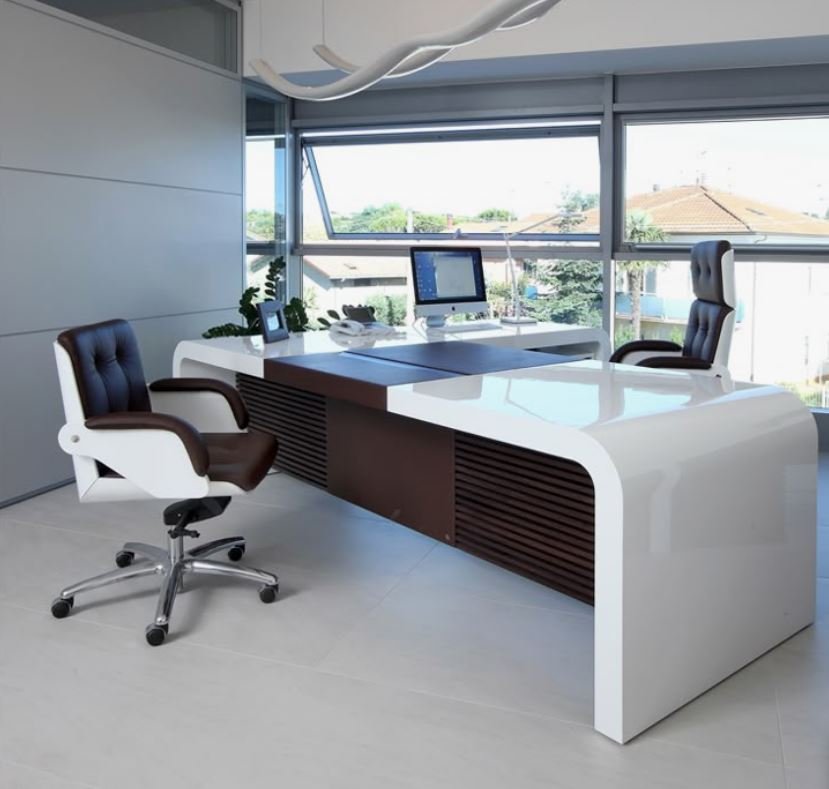
A well-planned workspace can influence productivity, comfort, organization, and the overall appearance of an office. An Office Desk is more than a surface for placing a computer and documents. It can determine how efficiently employees work, how much storage they have, and how comfortably they can spend long hours at their workstation. For businesses in the Philippines, choosing the right desk also means considering available space, office layout, budget, durability, and the needs of different employees.
For companies planning a new office or upgrading an existing workplace, the right furniture should support daily operations while creating a professional environment. Businesses working with an experienced supplier such as Cebu Office Furniture Den can explore different desk configurations and select furniture based on their specific workspace requirements.
Why the Right Office Desk Matters
An office desk is one of the most frequently used pieces of workplace furniture. Employees may spend most of their working day at their desks, making comfort and functionality important considerations.
A suitable desk provides enough space for essential equipment such as computers, monitors, keyboards, phones, documents, and office accessories. At the same time, it should fit comfortably within the available floor area without making the workplace feel crowded.
The right desk can also contribute to better organization. Built-in drawers, cable management solutions, modesty panels, and integrated storage can help reduce clutter. A cleaner workstation can make it easier for employees to find important items and maintain an organized working environment.
Businesses should therefore avoid selecting desks based only on appearance. Size, construction quality, ergonomics, storage, functionality, and office layout should all be considered before making a purchase.
Types of Office Desks for Different Workspaces
Different businesses require different desk configurations. A compact workstation may work well for a startup with limited floor space, while a large corporate office may need dedicated workstations for departments and teams.
Rectangular desks are among the most versatile choices. Their straightforward design allows them to work in private offices, open-plan workspaces, reception areas, and individual workstations.
L-shaped desks are useful when employees need additional working space. Their configuration can provide separate areas for computer work, paperwork, meetings, or equipment while making effective use of corners.
Executive desks generally provide a larger working surface and a more substantial appearance. They can be suitable for managers, directors, and private offices where presentation and storage are important.
Workstations are designed for environments where several employees need to work together. They can be arranged in clusters and may include partitions that provide some privacy while maintaining an open office atmosphere.
Standing desks and height-adjustable desks are another option for modern workplaces. Their adjustable height allows employees to alternate between sitting and standing, which can provide greater flexibility during the workday.
How to Choose an Office Desk
Selecting an office desk should begin with an assessment of how the workspace will be used. A desk for an accountant may have different requirements from one used by a designer, receptionist, manager, or customer service representative.
Start by measuring the available space. Consider not only the desk dimensions but also the space required for office chairs, walkways, storage cabinets, doors, and other furniture.
Next, consider the equipment that will be placed on the desk. Employees using multiple monitors may need a wider surface than employees working primarily from a laptop.
Storage is another important consideration. If employees regularly handle documents, stationery, files, or equipment, drawers or nearby storage units can help keep the workspace organized.
The construction materials should also match the demands of the workplace. Commercial offices often require furniture that can withstand regular daily use. Strong frames, durable surfaces, quality hardware, and reliable finishes can contribute to a longer service life.
Finally, consider how the desk will fit into the overall office design. Furniture should complement the company’s professional image without sacrificing practicality.
Office Desk Size and Space Planning
Desk dimensions should be selected according to the available space and the employee’s working requirements. A large desk may provide more workspace, but it can become impractical if it restricts movement around the office.
Before ordering furniture, businesses should create a basic floor plan. Mark the locations of doors, windows, columns, electrical outlets, storage areas, and walkways. This makes it easier to determine how many desks can fit comfortably.
For open-plan offices, workstation layouts should provide employees with sufficient personal space while maintaining efficient use of the floor area. In smaller offices, compact desks or corner configurations may provide a better solution.
Proper planning also makes future expansion easier. Businesses experiencing growth may benefit from modular workstations that can be rearranged when additional employees join the team.
Office Desk Materials and Durability
The material used in a desk affects its appearance, durability, maintenance requirements, and overall value.
Engineered wood and laminate surfaces are commonly used in office furniture because they can provide a practical balance between appearance and cost. Laminate finishes are available in various colors and wood-inspired patterns, making them suitable for different office styles.
Metal frames can provide structural strength and stability. They are particularly useful for workstations that need to withstand frequent daily use.
Wood-based executive desks can create a more traditional or premium appearance. The appropriate choice depends on the company’s design preferences, budget, and functional requirements.
Businesses should also pay attention to the quality of edges, drawer mechanisms, hinges, legs, and other components. A desk can look attractive but still perform poorly if its hardware and construction are not designed for regular commercial use.
Office Desk Design for Modern Philippine Offices
Office design trends continue to evolve as businesses adopt flexible working arrangements, collaborative environments, and technology-focused workstations.
Modern offices often require furniture that can support computers, multiple displays, communication equipment, and organized cable systems. At the same time, businesses want workplaces that look professional and welcoming.
In Manila and other major Philippine business centers, space efficiency can be particularly important for companies operating in commercial buildings. A carefully planned workstation layout can help businesses make better use of their available floor area.
Color and finish also influence the atmosphere of an office. Neutral finishes can create a professional environment, while carefully selected accent colors can reinforce corporate branding.
The goal should not simply be to create an attractive office. The furniture arrangement should support productivity, collaboration, privacy, movement, and employee comfort.
Office Desk for Small Businesses and Startups
Startups often work with limited budgets and smaller office spaces. This makes furniture selection especially important.
A compact desk with practical storage can provide the functionality employees need without consuming excessive floor space. Modular furniture can also be useful because it allows the workspace to change as the business grows.
Startups should think beyond the initial purchase. Choosing durable furniture can reduce the need for frequent replacement and provide better long-term value.
Businesses should also consider whether desks can be rearranged or expanded later. A flexible furniture system can accommodate new employees without requiring a complete office redesign.
Office Desk Solutions for Corporate Offices
Large organizations often have more complex furniture requirements. Different departments may need different workstation configurations, while management offices may require larger executive furniture.
Corporate office planning should consider employee numbers, department structures, meeting areas, storage requirements, technology infrastructure, and future expansion.
A consistent furniture style can also help create a cohesive corporate environment. However, individual workstations can still be customized according to job functions.
For larger projects, working with a professional office furniture supplier can simplify the process from product selection and space planning to delivery and installation.
Office Desk Buying Mistakes to Avoid
One common mistake is purchasing furniture based solely on price. A cheaper desk may appear attractive initially, but poor construction or unsuitable dimensions can create problems over time.
Another mistake is ignoring the available office space. Measuring the room before purchasing furniture helps prevent overcrowding and difficult installation situations.
Businesses should also avoid selecting desks without considering employee requirements. A workstation designed for a laptop user may not provide enough space for an employee who uses multiple monitors and handles physical documents.
Ignoring cable management is another frequent issue. Modern offices depend heavily on technology, so desks should provide practical ways to organize cables and electrical equipment.
Finally, businesses should not overlook installation and after-sales support when evaluating suppliers. Professional assistance can make large office furniture projects easier to manage.
How Office Furniture Can Improve Workplace Organization
A well-designed desk arrangement can help employees maintain cleaner and more organized workstations. Dedicated storage reduces the amount of paperwork and equipment placed directly on the desktop.
Cable management can prevent wires from becoming tangled around work areas. Proper positioning of desks can also improve movement between workstations and shared facilities.
When furniture is selected as part of a complete office plan, businesses can create dedicated areas for focused work, collaboration, meetings, reception, and storage.
This approach creates a workplace where every piece of furniture has a practical purpose.
Why Choose Cebu Office Furniture Den?
Selecting the right supplier is an important part of an office furniture project. Cebu Office Furniture Den can be considered by businesses looking for office furniture solutions that combine functionality, professional design, and workplace practicality.
A reliable supplier should be able to help businesses evaluate furniture according to space requirements, employee needs, budget, design preferences, and intended use.
For organizations planning a complete office setup, discussing requirements before purchasing can also help identify suitable desk configurations rather than selecting furniture based solely on appearance.
Office Desk Buying Guide: Quick Questions to Ask
Before purchasing, businesses should consider several practical questions. How much workspace does each employee need? How large is the available room? Will employees use laptops, desktop computers, or multiple monitors? Is storage required? Will the furniture need to be rearranged later? Does the desk match the existing office design?
Answering these questions can significantly narrow down the available options and help businesses make a more informed purchase.
FAQs About Office Desk
What is the best Office Desk for a small office?
Compact rectangular desks, corner desks, and modular workstations can work well in smaller offices because they provide useful workspace without taking up unnecessary floor area.
How do I choose the right Office Desk size?
Measure the available room first, then consider the equipment, documents, storage, chair clearance, and movement space required around the workstation.
Are L-shaped desks good for offices?
Yes. L-shaped desks can provide additional workspace while making effective use of corners, making them suitable for managers, designers, and employees who need multiple work areas.
What material is best for an Office Desk?
The best material depends on budget, design preferences, and usage. Durable laminate surfaces and sturdy metal frames are common practical choices for commercial workplaces.
How can an Office Desk improve productivity?
A properly sized and organized desk can provide adequate workspace, reduce clutter, support equipment, and make everyday tasks more comfortable and efficient.
Should businesses buy desks in bulk?
For larger offices, bulk purchasing can help maintain a consistent design and simplify workspace planning. Businesses should still confirm dimensions, quality, delivery, and installation requirements before placing a large order.
Where can businesses find suitable office furniture?
Businesses can contact a professional office furniture supplier such as Cebu Office Furniture Den to discuss their workspace requirements and identify suitable furniture options.
Make Your Office Desk Purchase More Practical
The right office furniture should support the people who use it every day. From desk dimensions and materials to storage, cable management, layout, and durability, every detail can influence the functionality of a workplace.
For businesses planning an office in the Philippines, investing time in furniture planning can prevent costly mistakes and create a workspace that remains practical as the organization develops. Whether you are furnishing a startup, corporate office, school, hospital, government workplace, or professional office, choosing furniture based on actual requirements is more valuable than simply following design trends.
If you are planning a new workspace or replacing existing furniture, consider discussing your requirements with Cebu Office Furniture Den. A professional consultation can help you select suitable desk configurations and build a workplace that balances comfort, functionality, appearance, and long-term value.

